
Lang
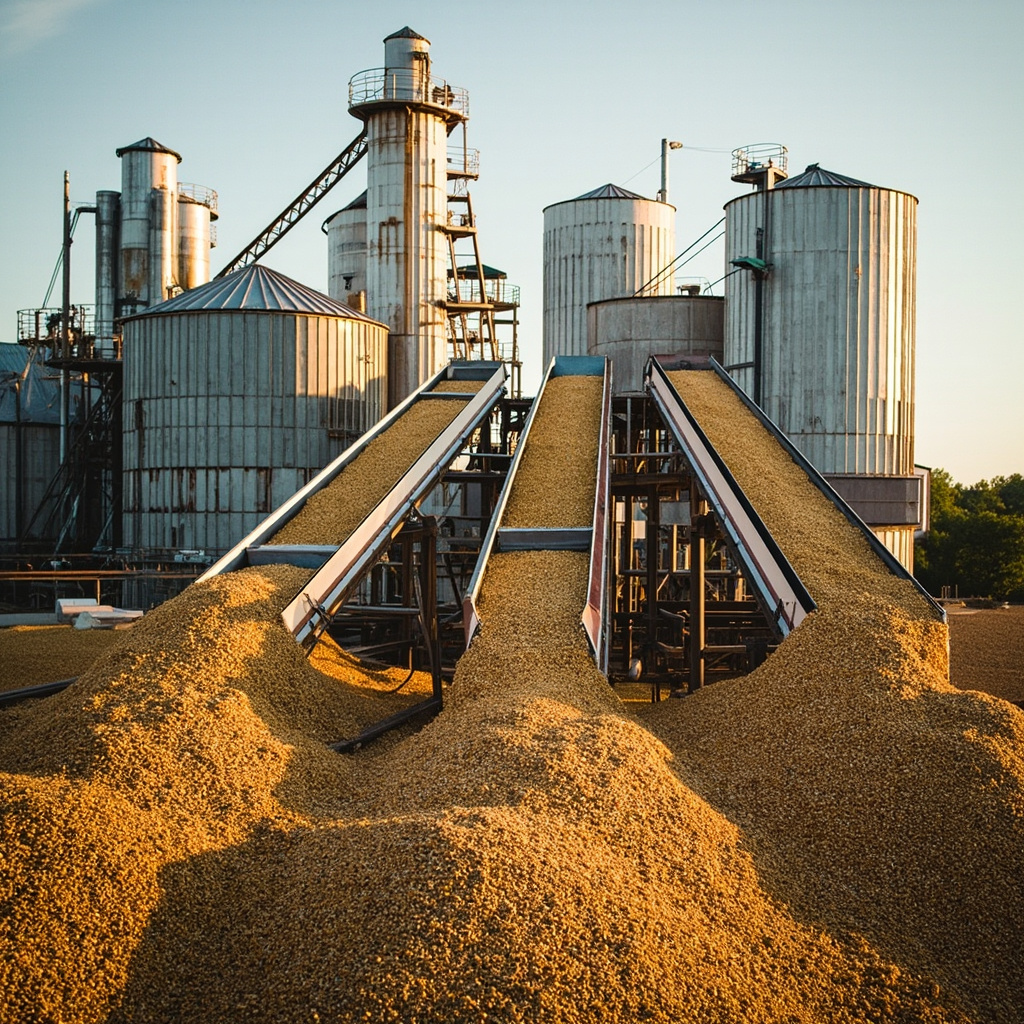
The U.S. soybean processing industry is experiencing an unprecedented surge, driven by a federal mandate to expand domestic biodiesel production. According to the latest monthly Crush Report from the National Oilseed Processors Association (NOPA), soybean processing volumes have climbed sharply, partly because one of the key byproducts — soybean oil — has become an increasingly important feedstock for renewable diesel and biodiesel refineries.
Jacqui Fatka, an analyst at CoBank, offers a quick refresher on the process. 'It is a little tiny pea-sized hard bean,' she notes. Once these beans arrive at a crushing plant, they are pressed and processed to yield two main products: 'oil and a powdery type of soybean meal,' Fatka explained. The protein-rich meal is primarily used as livestock feed, while the oil enters the food supply as vegetable oil or is further refined into biofuel.
The historical link between diesel engines and vegetable oil is long-standing, according to Allen Schaeffer, executive director of the Engine Technology Forum. 'Diesel engines — the first one was invented back in the 1870s — and it was designed to run on vegetable oil,' Schaeffer said. Today, however, most of the diesel sold at U.S. pumps is petroleum-based, with only a small share of soybean or corn oil blended in. Biofuels can reduce diesel prices by roughly 4 percent, a modest saving that Schaeffer argues is 'easily overshadowed' by the overall magnitude of fuel costs.
Despite that limited direct impact on consumer prices, biodiesel is enjoying a strong tailwind from federal policy. The Trump administration has set a target to increase domestic biofuel production by 60 percent over the next several years. The stated goal is to support American soybean and corn farmers, but the policy carries clear trade-offs.
'On the other side of it, the change in diesel values is really where it hurts,' said Susan Stroud, principal of market research firm No Bull Agriculture. She points out that conventional petroleum diesel remains essential for running farm equipment, meaning farmers face the irony of paying higher fuel costs even as their crops fuel the alternative-energy push.
The NOPA Crush Report, released every month, will be watched closely by traders, processors, and policymakers as the mandate takes effect and crush margins adjust to the new demand environment.
Source: Marketplace.org