 Advertise
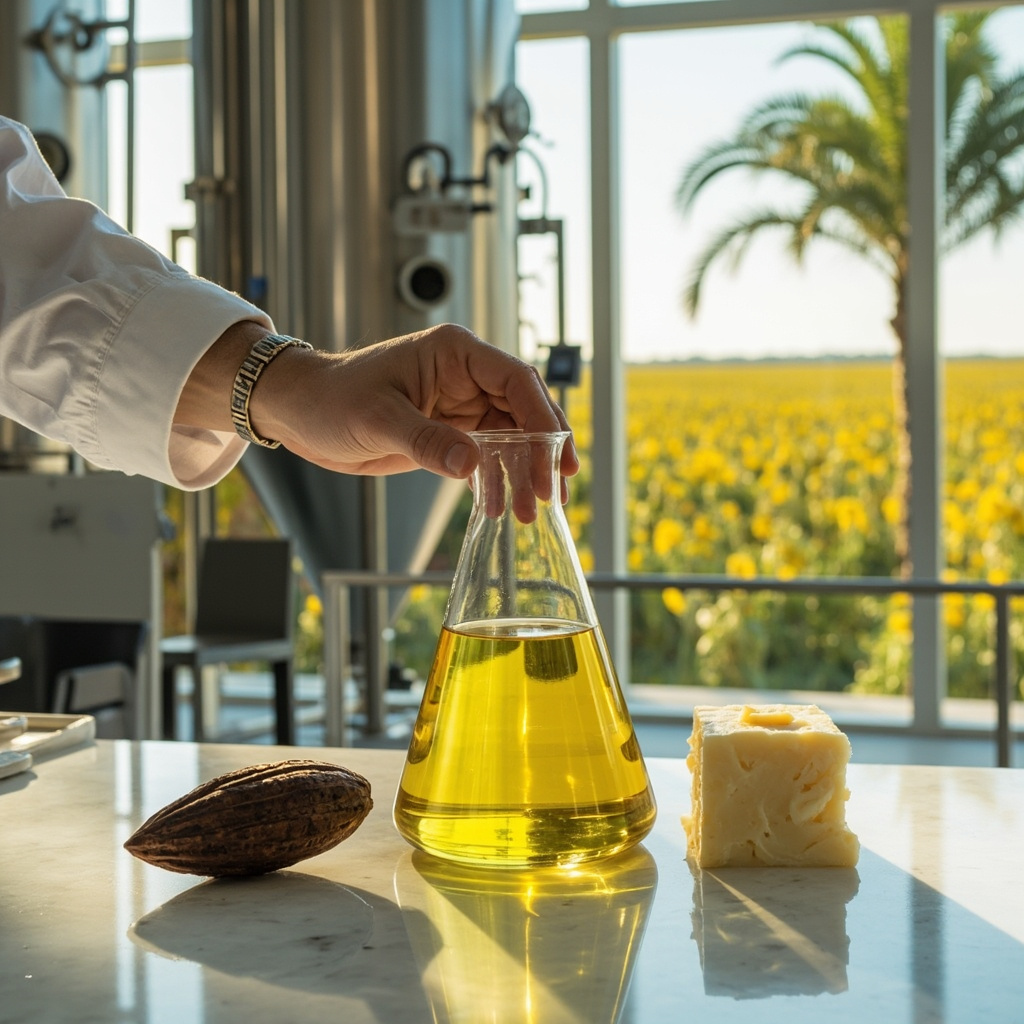
The global food industry is witnessing a transformative shift as 'alternative fats' redefine innovation through precision fermentation, plant-based oil advancements, and sophisticated ingredient processing. According to a specialized report by Spherical Insights, food manufacturers are actively seeking novel methods to replicate the flavor, texture, and functionality of traditional fats while simultaneously fortifying supply-chain resilience and addressing pressing environmental mandates.
Fats and oils serve as indispensable components in global food production, dictating the sensory profile, creaminess, and shelf stability of chocolate, bakery goods, confectionery, and ready-to-eat meals. However, conventional production models are increasingly strained by land-use requirements, climate instability, and high geographic concentration in supply chains. These pressures are catalyzing a move toward fats derived from plants, microorganisms, and bio-fermentation platforms.
The strategic objective is the creation of ingredients that mirror the functional performance of conventional lipids while enhancing sourcing flexibility. For instance, cocoa butter alternatives are being designed to stabilize chocolate formulations, while specialized microbial oils provide tailor-made melting points for confectionery fillings. A milestone in this sector occurred in March 2025, when the US-based firm Savor announced the commercial debut of a butter-like fat produced via a thermochemical process, entirely bypassing traditional agricultural fat sources.
Further scientific support emerged in November 2025 through research published by the American Institute of Chemical Engineers, which explored the use of precision fermentation to engineer structured edible fats with bespoke properties. Despite these breakthroughs, commercial viability hinges on manufacturing scale, regulatory clearance, and consumer taste preferences. The vulnerability of the current system is highlighted by the fact that Indonesia and Malaysia account for over 80% of global palm oil output, emphasizing the need for diversified alternatives.
Widespread adoption of these technologies faces significant hurdles, including high capital expenditure for fermentation and downstream processing. Furthermore, environmental benefits must be rigorously verified; fermentation-based models can be energy and water-intensive. Manufacturers are encouraged to adopt a hybrid strategy, diversifying procurement between traditional vegetable oils and emerging fat technologies to ensure resilience. While conventional oils will retain their dominance due to established infrastructure and competitive pricing, alternative fats are poised to capture high-value segments where specific functionality is paramount.
Source: Spherical Insights