 Advertise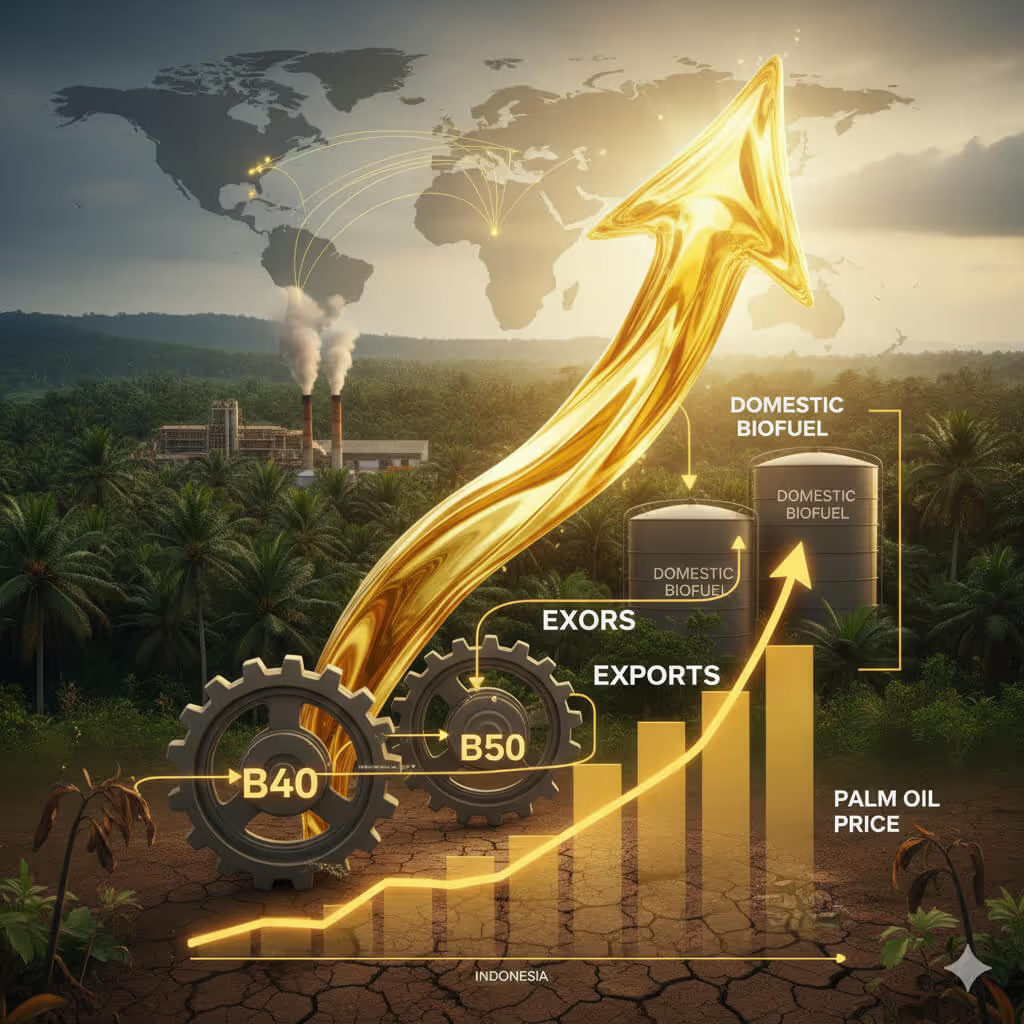
Palm oil is poised for a strong rally as Indonesia ramps up its biodiesel ambitions, a move expected to cut export supplies from the world's top producer and deepen the global supply squeeze.
The Southeast Asian nation, already a global leader in biodiesel, plans to divert more of its palm oil stocks towards expanding its domestic biodiesel mandate from 40% to 50% by the second half of next year. The so-called "B50" programme is part of Indonesia's efforts to simultaneously cut its hefty fuel import bill and reduce greenhouse gas emissions.
But this initiative — combined with stagnant production growth among the world's biggest producers — could push global prices higher, redirect vegetable oil trade flows, and even fuel food price inflation if buyers are forced to seek costlier alternatives. Palm oil — used in everything from chocolate to cosmetics — has swung in recent months as investors weigh swelling stocks against uncertain demand, and is currently down 6% since the start of the year at 4,145 ringgit a tonne.
Speaking to Bloomberg News ahead of an industry conference in Bali this week, Eddy Martono, chairman of the Indonesian Palm Oil Association (Gapki), said that if the Indonesian government proceeds with the B50 programme, prices could jump to as high as 5,000 ringgit a tonne between January and June.
Martono added that domestically, the policy could be followed by an increase in export levies, which would likely be borne by smallholder farmers.
Globally, this means consumers may need to look elsewhere for supplies, as Indonesia significantly restricts exports to achieve the higher domestic biodiesel blend, according to Matthew Bagijn, chief commodities analyst at BMI.
"It would require deliberate government intervention to prioritise domestic biodiesel production over exports, which would likely affect traditional importing markets, particularly India and China, which would need to source alternative supplies," Bagijn said.
The timing of the programme's rollout will be a crucial factor in determining market direction, and will be closely watched during the Gapki-led conference this week. Veteran trader Dorab Mistry, a director at Godrej International Ltd, had earlier forecast that the move would push palm oil prices to a three-year high of 5,500 ringgit in the first quarter of 2026.
Indonesian authorities have completed laboratory tests for the B50 blend, but road safety trials have not yet begun. Gapki Secretary-General M. Hadi Sugeng Wahyudiono said the expanded mandate would boost Indonesia's use of palm oil for biodiesel by a quarter, and could potentially cut the country's total palm oil exports to 26 million tonnes in 2026, down from an estimated 31 million tonnes this year.
The industry is also watching other supply risks, such as weather. Forecasts point to a La Niña event, which could bring above-average rainfall to the region and disrupt palm oil harvesting and production between November and February. Other factors that could drive the market include US-China trade deals on agricultural products, US biodiesel policies that could limit the country's soybean oil exports, and stocks of other edible oils including sunflower and canola oil.
Furthermore, the Indonesian government's seizure of hundreds of thousands of hectares of plantation land has raised concerns that mismanagement could lead to lower national output next year, according to Sahat Sinaga, acting head of the Indonesian Palm Oil Board.
According to Jacqueline Yeo, assistant director of research at CGS International Securities, all these factors point to a bullish (price-positive) outlook.
"Full implementation of the B50 programme could begin as early as June next year," Yeo said. This timeline could boost biodiesel demand by 1.7 million tonnes, lifting Indonesia's total biodiesel consumption to 15.6 million tonnes. That represents about 18% of global palm oil usage, up from 17% under the current B40 programme this year.
"This will create a favourable environment for prices," she concluded.
Source: The Edge Malaysia