 Advertise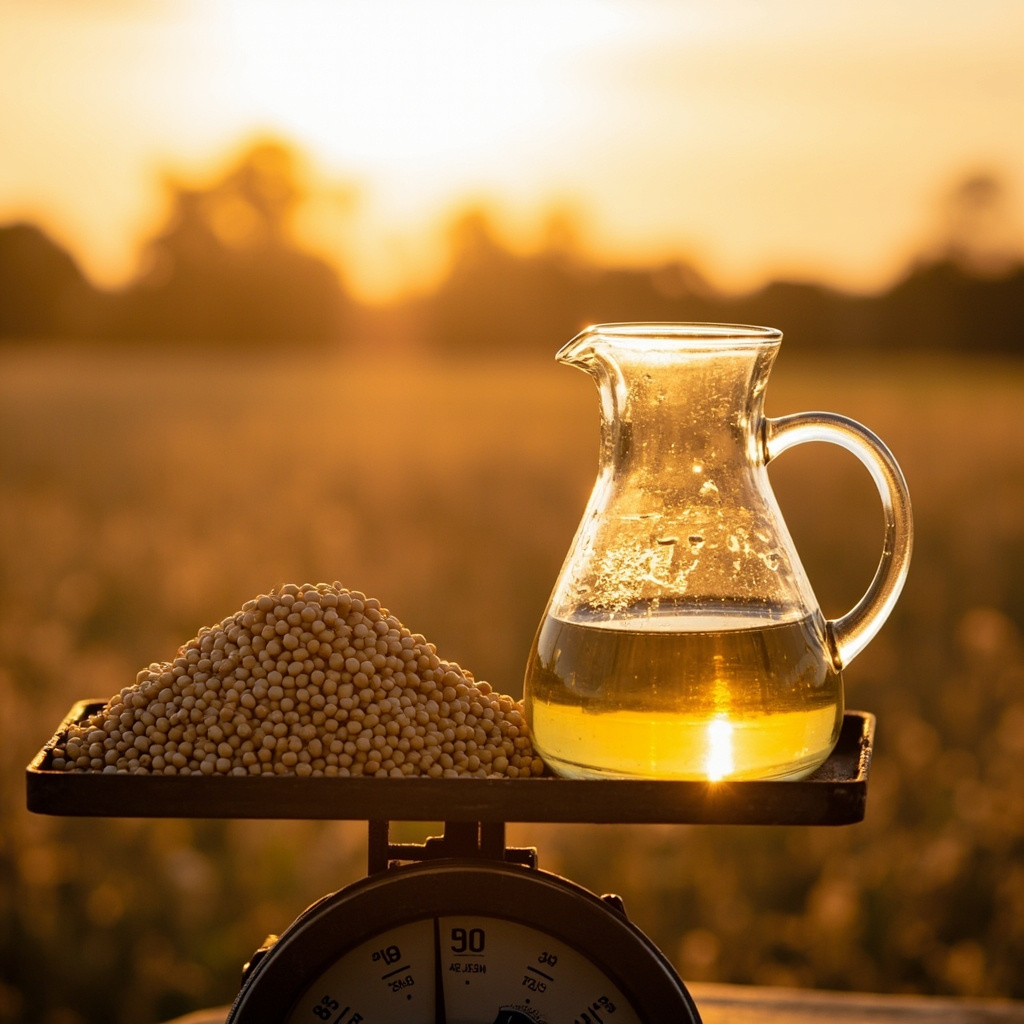
North Dakota is rapidly transforming its role within the United States soybean landscape through a significant expansion of its domestic crushing infrastructure. Since 2023, the state has seen the commissioning of two major soybean processing facilities. These plants possess a combined annual capacity of approximately 90 million bushels, representing nearly 50% of the state’s anticipated soybean harvest for 2026.
This strategic shift toward domestic processing is primarily fueled by the escalating demand for biodiesel and renewable fuels. This burgeoning internal market serves as a vital hedge against declining soybean exports to China, which historically acted as the primary driver for acreage expansion in the region.
The emergence of these facilities has intensified competition for local supplies. Notably, the Casselton plant has been observed offering farmers premiums of roughly $0.50 per bushel compared to local grain elevators that continue to focus on the export trade.
While North Dakota's soybean acreage has grown more than threefold since the year 2000—far outpacing the 17% national increase—yield performance remains a challenge. Over the last decade, regional yields have averaged 35 bushels per acre, significantly trailing the national average of 53 bushels per acre.
Looking ahead, the USDA projects a yield of only 30 bushels per acre for 2026, marking a five-year low. To address this, agricultural researchers are focusing on developing new varieties tailored for the state’s short growing season and improving drought tolerance to ensure the long-term sustainability of the crushing sector.
Source: UkrAgroConsult