 Advertise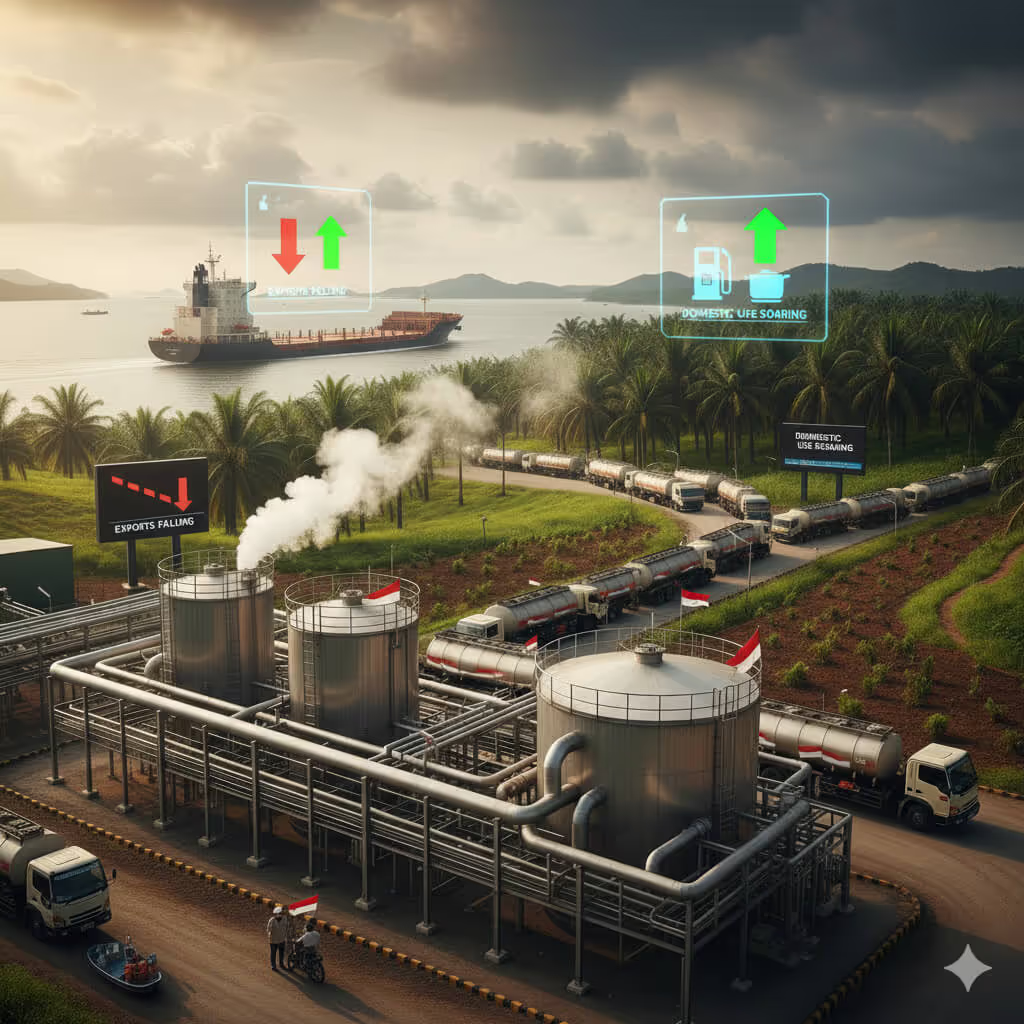
Indonesia’s domestic crude palm oil consumption rose to 23.8 million tonnes in 2024, while production declined to 52.7 million tonnes, compared with 54.8 million tonnes in 2023.
According to the Indonesian Palm Oil Association (GAPKI), the increase in domestic demand was mainly driven by biodiesel use and food industry needs.
GAPKI said Indonesia remains the world’s largest palm oil producer and consumer, accounting for 57% of global production and 27% of global consumption.
The association also highlighted production challenges, including land-related issues and the need to replant smallholder plantations.
Palm oil exports declined last year as prices rose above competing vegetable oils, encouraging some buyers to shift toward cheaper alternatives such as soybean oil.
China and India remain the largest overseas markets for Indonesian palm oil, although shipments to India fell by 28% year on year in the first half of 2025.
According to Oil World, Indonesia remained India’s largest palm oil supplier in 2024, with exports of 4.4 million tonnes.
Smallholders manage around 42% of Indonesia’s oil palm plantations, and replanting is considered important for improving yields.
Market observers warn that lower export availability from Indonesia could affect global vegetable oil supplies and support prices.