 Advertise
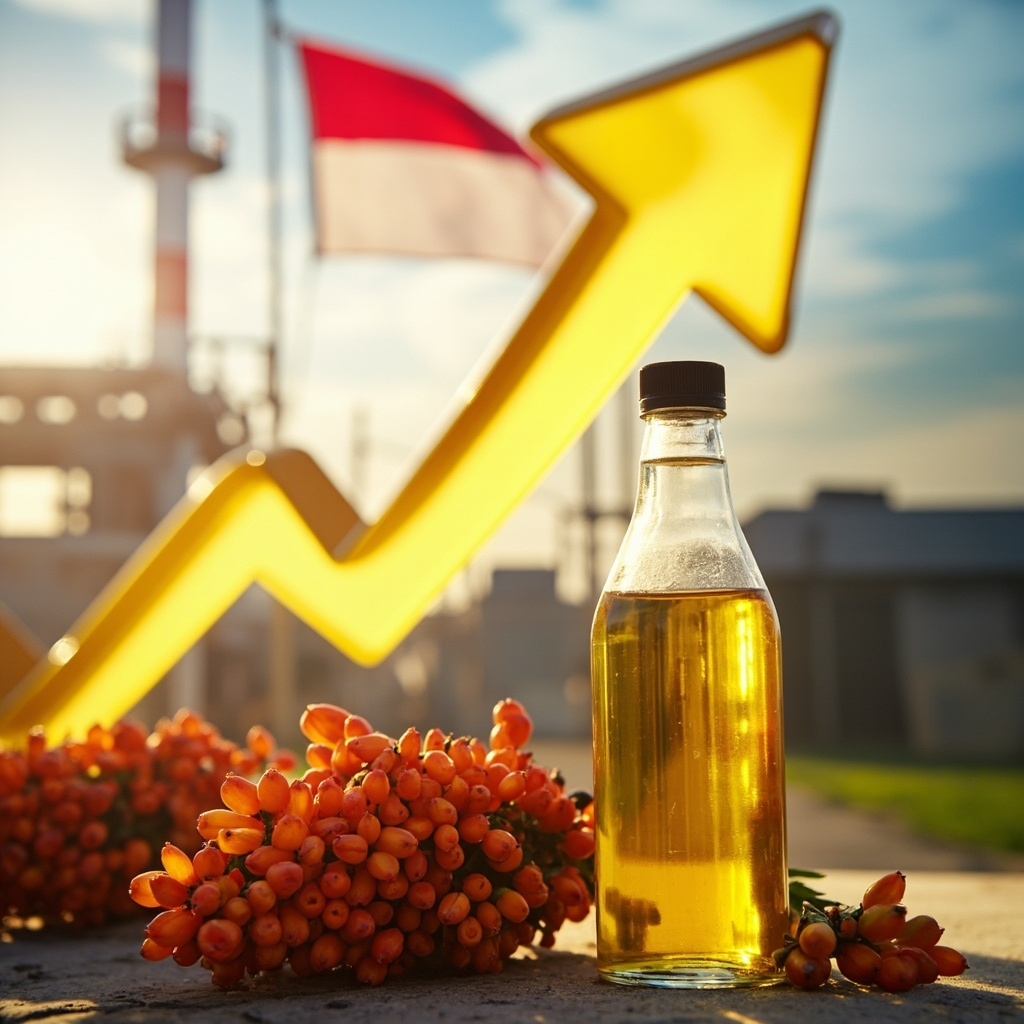
Indonesia is aggressively pursuing an industrial development strategy known as oil palm downstreaming, which transforms crude palm oil (CPO) from a raw commodity into a diverse range of higher-value derived products. This shift aims to strengthen Indonesia's position as a global leader in the oils and fats industry by focusing on domestic processing rather than the mere export of raw materials.
The strategy is central to national economic goals, as processing natural resources domestically generates significant employment, fosters new business opportunities, and increases state revenue. This movement signifies a transition from a raw-material export economy toward one driven by manufacturing and innovation, ensuring that every tonne of fresh fruit bunches yields maximum economic benefit.
The downstreaming value chain begins at estates and mills producing CPO, proceeding through refining into food staples such as cooking oil, margarine, and shortening. By isolating specific CPO fractions, the industry manufactures vital oleochemicals, including fatty acids, fatty alcohols, glycerin, and surfactants, which serve as essential raw materials for the global detergents and cosmetics sectors.
Another critical pathway is biodiesel production. CPO is processed into fatty acid methyl ester (FAME), which is blended into diesel fuel to support national energy mandates. Furthermore, palm fats find applications in pharmaceuticals, animal feed, candles, and paints, demonstrating the commodity's versatility across multiple industrial sectors.
Capturing value addition is the primary benchmark for success. By processing CPO into derivatives locally, Indonesia captures price margins previously held by importing nations. Finished products also offer more stable pricing compared to the high volatility of raw commodities. This diversification of exports enhances foreign exchange earnings and reduces market dependency.
The Indonesian government has formalised this through national industrial policy. The Ministry of Industry (Kemenperin) promotes domestic capacity via an industry roadmap, while the Oil Palm Plantation Fund Management Agency (BPDP Sawit) finances strategic initiatives like biodiesel development. Simultaneously, the Directorate General of Plantations at the Ministry of Agriculture ensures raw material security and sustainable farming practices. Synergy between these agencies is the cornerstone of the strategy.
Domestic research and development are also crucial for creating new processing technologies and product formulations that meet international standards. Additionally, micro, small, and medium enterprises (MSMEs) play a strategic role by producing small-scale goods like soaps and home-based food products, supported by mentoring and access to financing to connect with broader markets.
Source: Gabungan Pengusaha Kelapa Sawit Indonesia (GAPKI)