 Advertise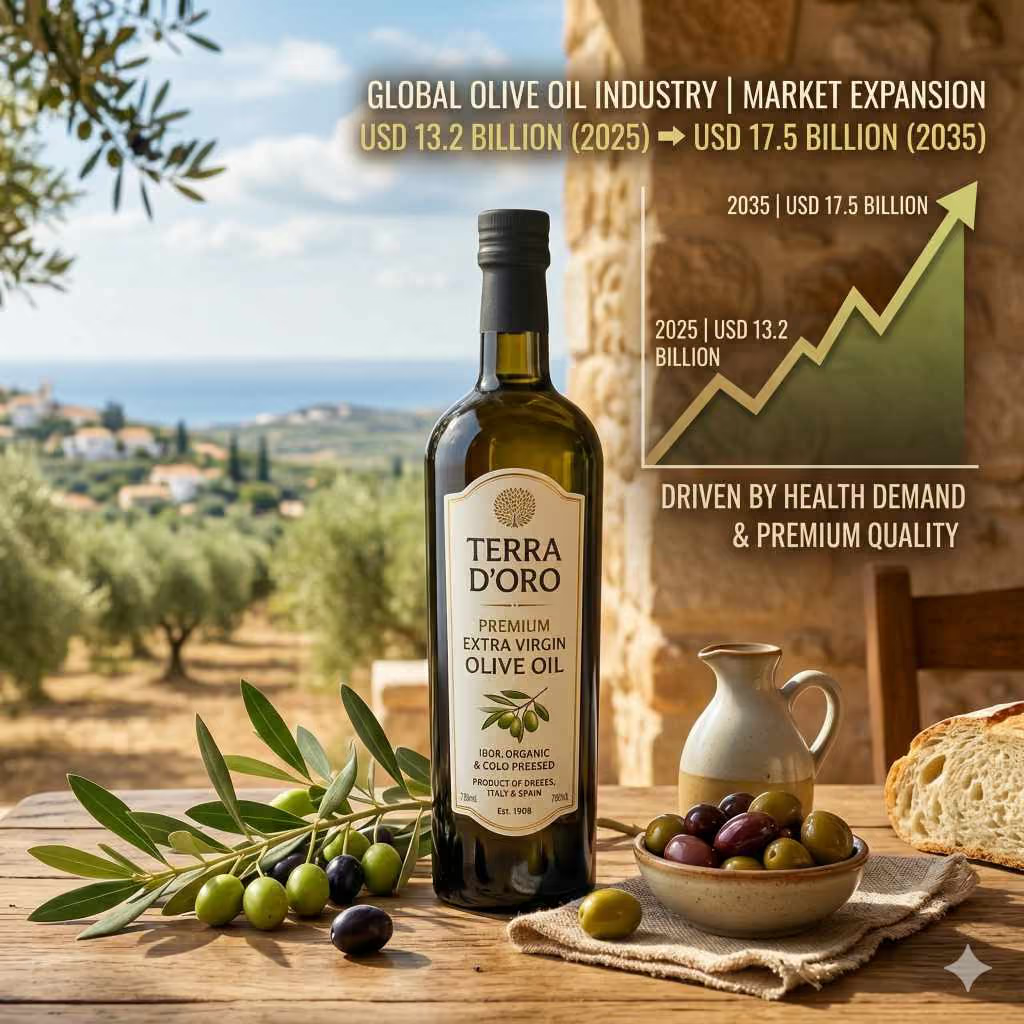
The global olive oil market is experiencing steady and resilient growth, largely driven by a continuous consumer shift toward natural food ingredients and healthier edible oils. Valued at USD 12.8 billion in 2024, the market is anticipated to reach USD 13.2 billion in 2025. It is further projected to expand to USD 17.5 billion by 2035, growing at a Compound Annual Growth Rate (CAGR) of 2.90% throughout the 2025–2035 forecast period.
Industry Evolution and Market DriversOnce primarily a regional staple of the Mediterranean, olive oil has transformed into a globally recognized culinary essential. Its popularity is surging across North America, the Asia-Pacific region, and various emerging economies. This widespread adoption is fueled by changing global dietary habits and a growing emphasis on health and wellness. Consumers are increasingly replacing refined vegetable oils with olive oil, drawn by its clean-label appeal, heart-friendly fats, and antioxidant properties. As the Mediterranean diet gains worldwide recognition, the industry is witnessing a distinct shift from bulk sales to premium, branded products. Producers are now heavily emphasizing organic farming, origin labeling, cold-pressed extraction methods, and rigorous quality certifications.
The projected USD 4 billion market growth between 2025 and 2035 underscores the industry's long-term stability. The rising popularity of Mediterranean cuisine globally has made olive oil a core ingredient in home kitchens, restaurants, and packaged foods. Furthermore, the increasing consumer demand for ethically produced, sustainably sourced, and eco-friendly products is pushing manufacturers to invest in sustainable farming and green packaging solutions.
Competitive LandscapeThe olive oil market is highly competitive, featuring prominent global players such as Bertolli, Filippo Berio, Colavita, Pompeian, Kirkland Signature, California Olive Ranch, Gaea, Deoleo, and Olivar de Segura. These industry leaders compete intensely on brand reputation, pricing, and product quality. To maintain a competitive edge, companies are investing in expanding their global distribution networks, improving supply chain efficiencies, and introducing product traceability systems that allow consumers to verify the origin and production methods of their oil.
Market Segmentation
Regional Outlook and Future OpportunitiesEurope continues to dominate the market, anchored by massive production hubs and deep-rooted culinary traditions in Spain, Italy, and Greece. North America remains a major consumption market, driven by health awareness. Meanwhile, the Asia-Pacific region is emerging as a high-growth area due to rising disposable incomes, expanding urban populations, and the growing influence of Western dietary habits.
Looking ahead, the strongest opportunities in the olive oil market lie in the rising demand for organically certified and sustainably sourced products. Expanding into emerging markets and innovating with functional applications, flavor-infused oils, and eco-friendly packaging will provide significant growth avenues as the market becomes increasingly diversified and premium-focused.
Source: Market Research Future