 Advertise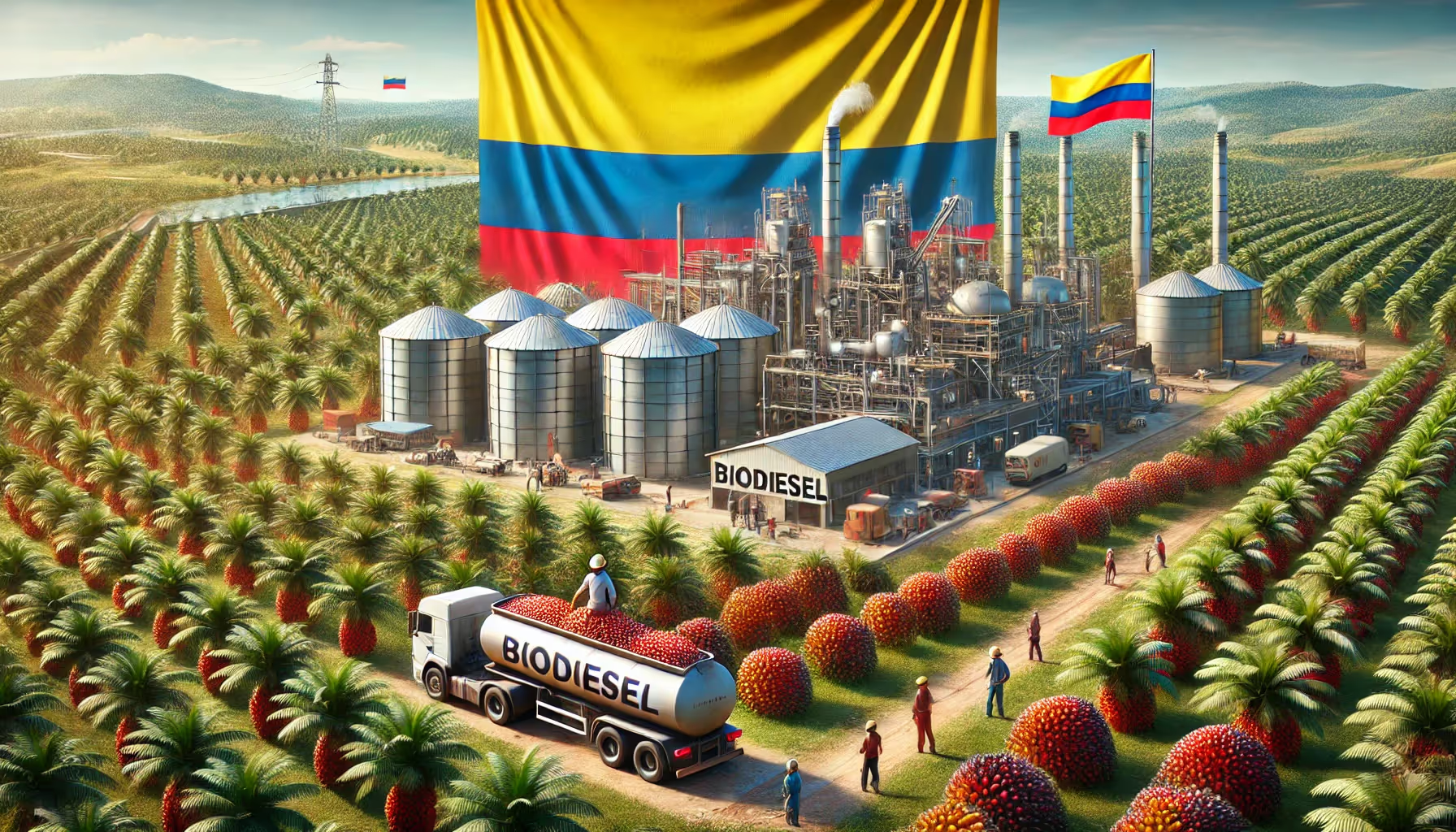
Colombian palm oil exports are forecast to fall to 420,000 tonnes in 2024/25 as domestic biodiesel demand continues to rise, according to a report from the United States Department of Agriculture (USDA).
The USDA's Foreign Agricultural Service reported in March that first-quarter exports from the world's fourth-largest palm oil producer — which produces roughly 2 million tonnes a year — declined despite an increase in planted area and output.
The March 2025 Oilseeds: World Markets and Trade report noted that Colombia's biodiesel blending mandate has climbed steadily since 2015 and is expected to reach 12.5% in 2024, supported by voluntary programmes that allow blending of up to 20% biodiesel in freight vehicles.
The report added that the ratio of exports to total production has fallen from more than 40% in 2018/19 to just over 20% in 2023/24, alongside a shift in export destinations.
Colombia's expanding market share in Mexico is likely linked to a decline in Mexican imports of Canadian rapeseed oil.
By contrast, Colombia's share of the European Union market has shrunk as palm oil consumption there declines.
Meanwhile, Thailand's palm oil exports have stabilised after a decade of growth, the report said.
Thailand is the world's third-largest palm oil producer after Indonesia and Malaysia, accounting for 5% of global output.
Over the past decade, Thailand's palm oil production rose 80% on the back of expanding planted area, while its oil exports surged twenty-fold to reach 800,000 tonnes, according to the USDA.
Thai palm oil exports as a share of production also rose to an average of 22% over the past five years, up from 8% between 2016 and 2020.
India has been the key driver of rising demand, accounting for 80% of Thai shipments since 2017, the report said.
The USDA said:
"The competitiveness of Thai palm oil export prices to India will be a key factor in export potential during 2025, as India seeks lower-cost alternatives."
Source: Bernama