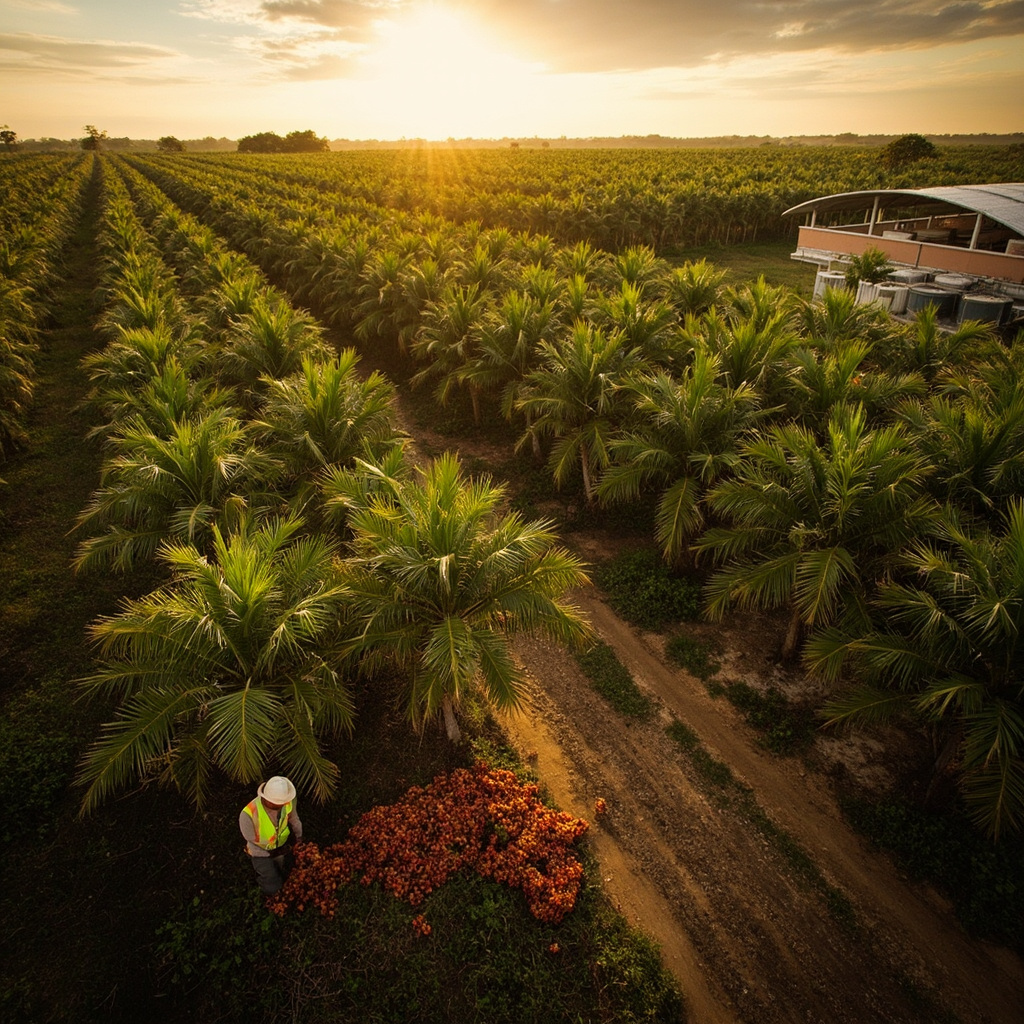
Deforestation and sustainability certification, carbon footprint, oil recycling and the circular economy.
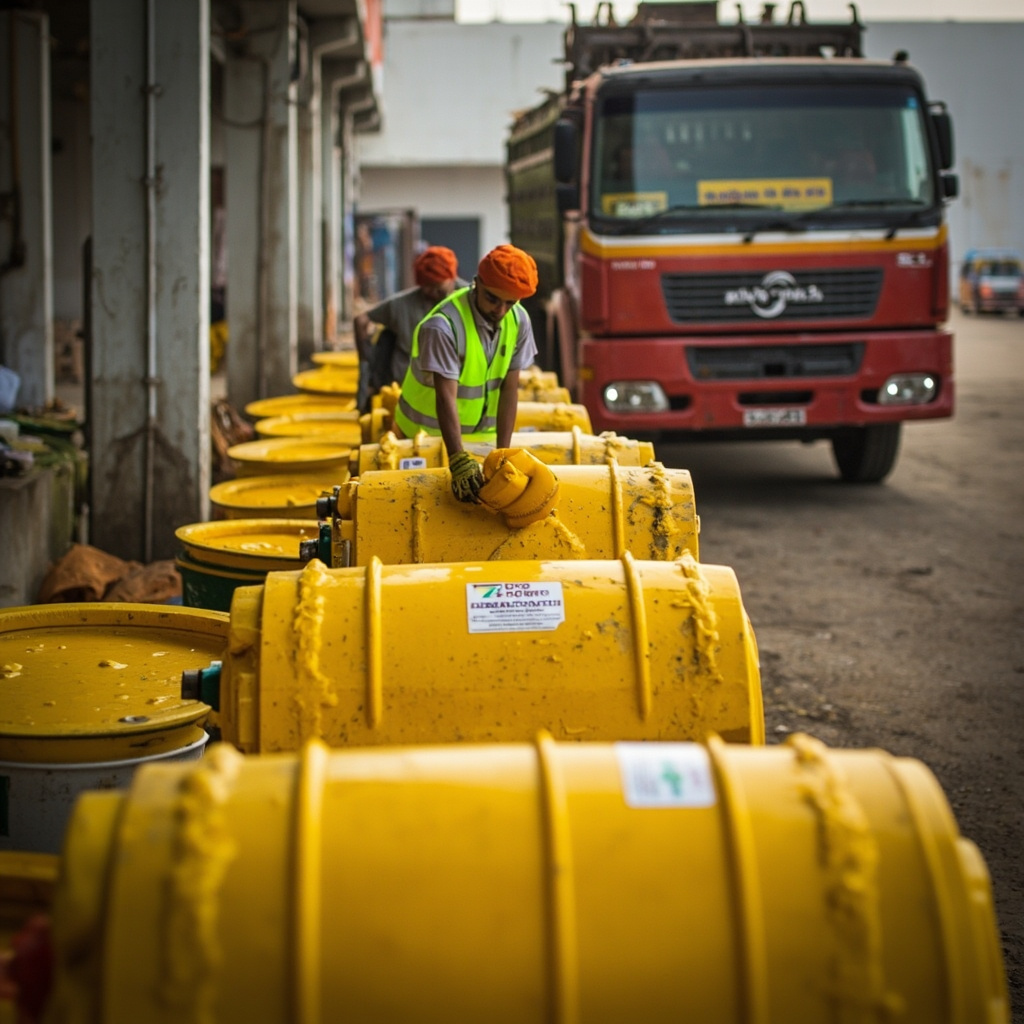
EcoCeres will supply ISCC-certified HVO from used cooking oil to AstraZeneca's Wuxi plant, marking China's first HVO application in the pharmaceutical sector.
Malaysia's Securities Commission demands El Niño plans from listed firms, flagging palm oil sector risks and pursuing deeper Middle East Islamic finance ties.
First Resources shares hold steady on the Singapore Exchange as investors weigh latest palm oil earnings, margins, and commodity-cycle exposure through Sept 20, 2026.
Malaysia shipped more palm oil in H1 2026 but revenue lagged. India and Kenya rose, Europe and China declined, prompting a portfolio diversification push.
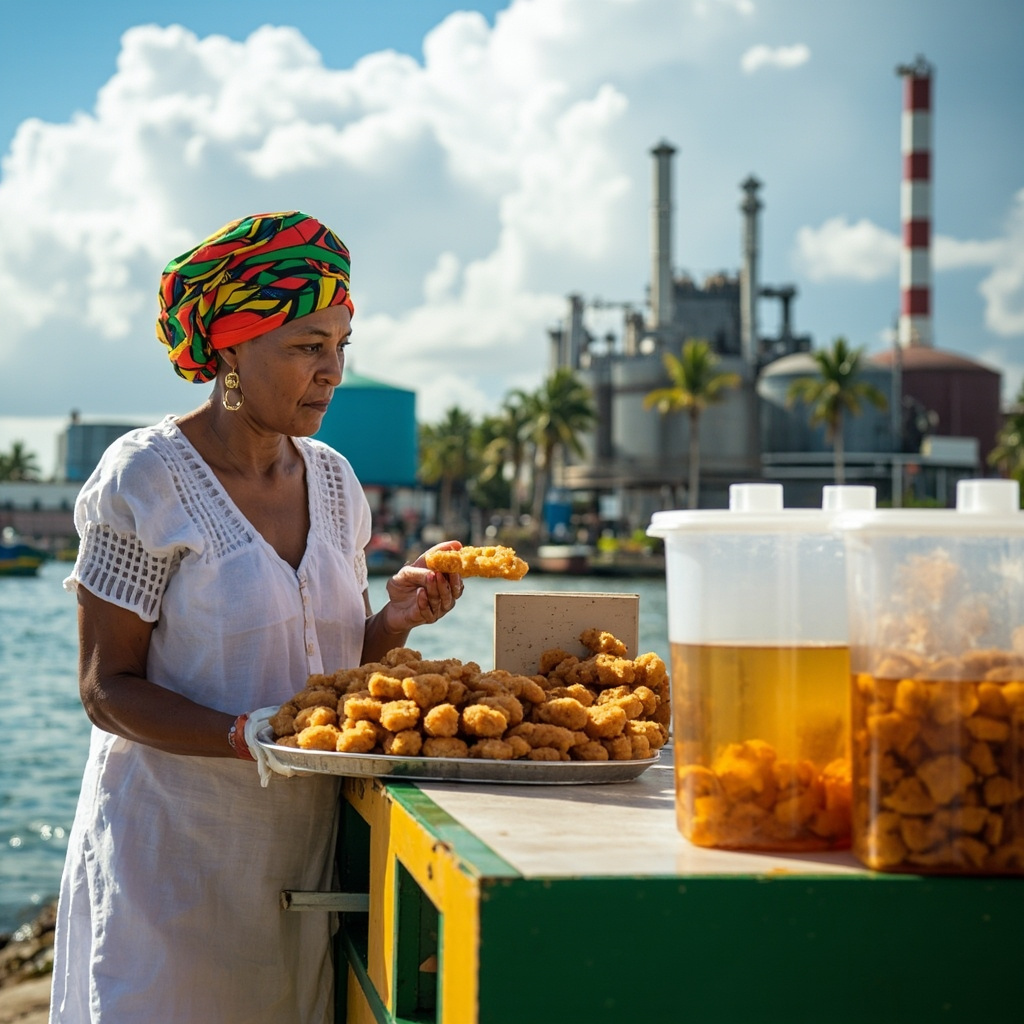
Petrobras is partnering with acarajé vendors to convert used palm oil into biofuel. The Brazilian recycling initiative tackles coastal pollution while building a circular feedstock model for renewable energy.
India collects only 6% of its used cooking oil as it races to meet SAF blending targets ahead of CORSIA's mandatory 2027 phase, leaving 94% untapped.
Solidaridad warns that unsustainable palm oil practices could cost Nigeria access to the EU market under the EU Deforestation Regulation.
Malaysian startup Eco Terra wins the 2026 Ecothon by turning palm oil waste into biochar and biofertilizer, beating 14 finalists.
WWF-Indonesia and CPOPC, covering 89.3% of global palm oil output, sign the 'Green Partnership' MoU to strengthen sustainable supply chains and smallholder inclusion under EUDR.
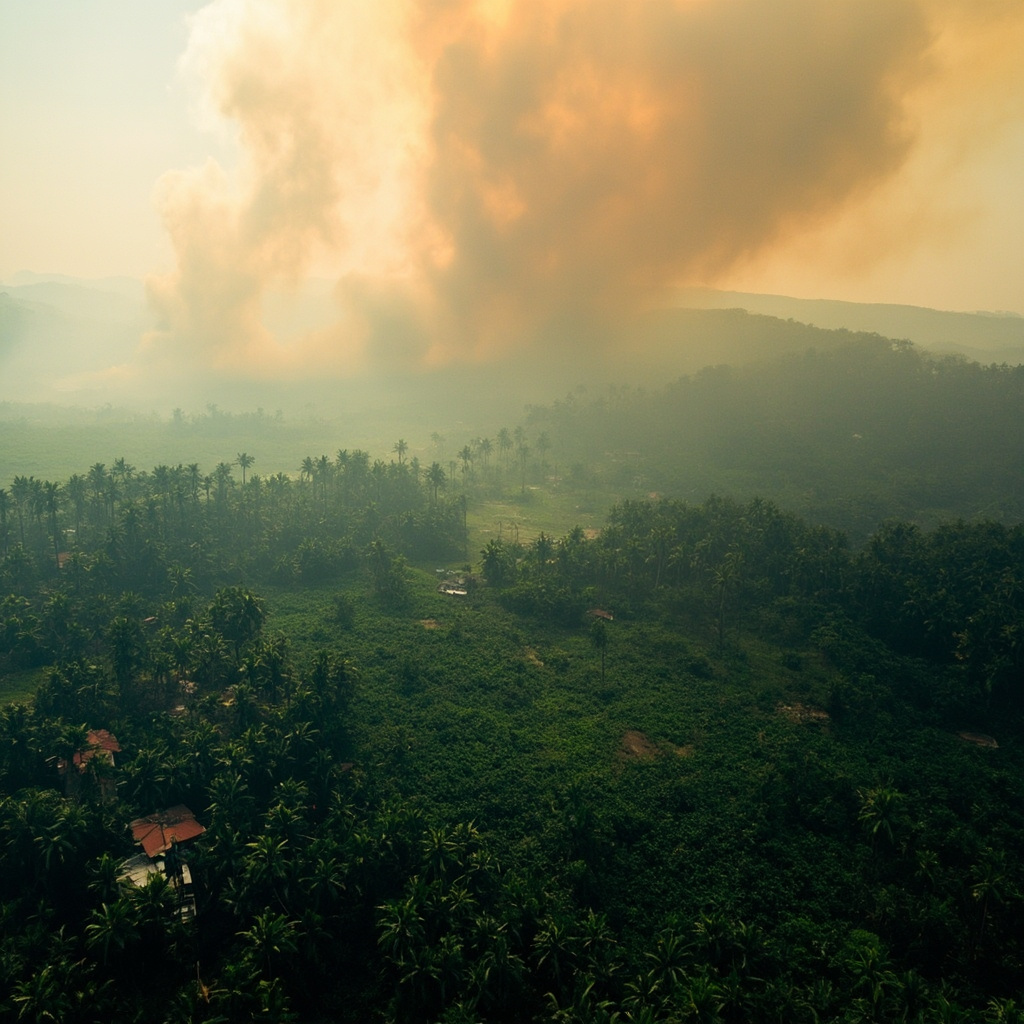
Indonesia's 50% palm biodiesel mandate saves $9.5B annually but 200,000+ hectares have burned as super-El Niño fuels the worst fire season since 2015.
 Advertise