The Republic of Yemen is a country of geographic diversity, extending from coasts overlooking the Red Sea and the Gulf of Aden to the mountainous highlands of the interior. Yemen’s population is around 31 million (2023 estimates), and demand for oils and fats forms an important part of the needs of the domestic market, whether for household use or in the food industries sector.
Consumption in 2023
Total consumption: 329 thousand metric tons
Leading oils consumed:
palm oil: 261 thousand metric tons (representing the largest share of consumption)
sunflower oil: 53 thousand metric tons
soybean oil: 4 thousand metric tons
corn oil: 3 thousand metric tons
butter: 3 thousand metric tons
palm kernel oil: 4 thousand metric tons
coconut oil: 1 thousand metric tons
It is clear from these figures that there is a heavy reliance on palm oil in the Yemeni market, in addition to a notable consumption of sunflower oil compared to the other oils.
Imports in 2023
Total imports: 366 thousand metric tons
Leading oils imported:
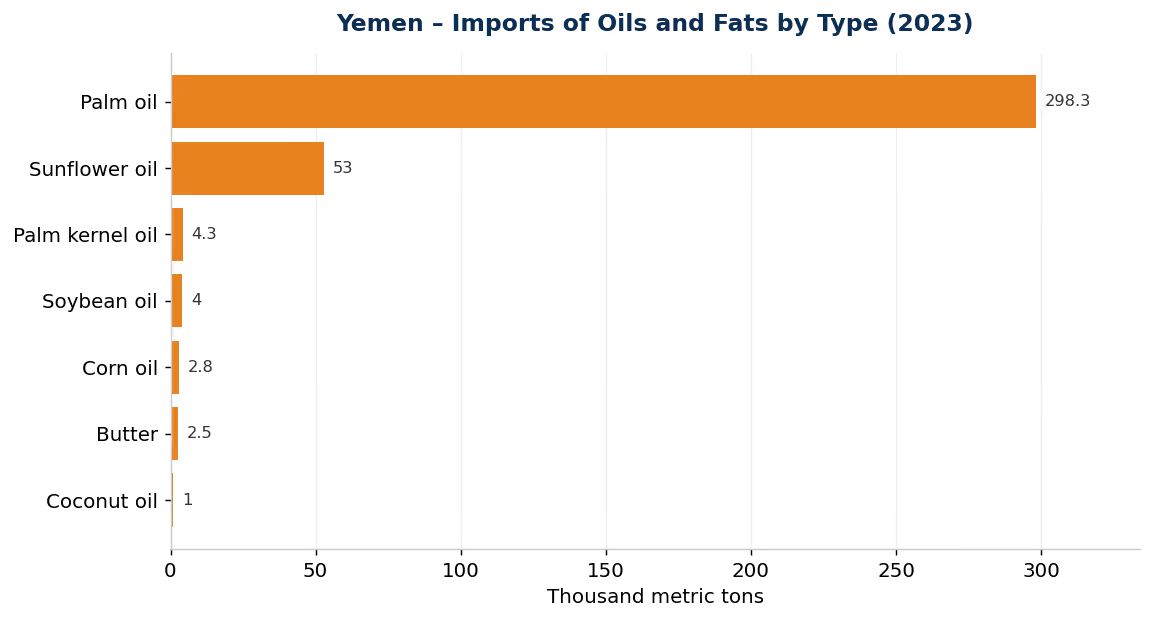
palm oil: 298 thousand metric tons (representing the largest share of imports)
sunflower oil: 53 thousand metric tons
soybean oil: 4 thousand metric tons
corn oil: 3 thousand metric tons
butter: 3 thousand metric tons
palm kernel oil: 4 thousand metric tons
coconut oil: 1 thousand metric tons
These figures indicate the domestic market’s heavy reliance on imports to meet most oil types, especially palm oil, which is widely used in cooking and the food industries. There are also significant imports of sunflower oil, which is popular among consumers for health reasons or cooking preferences.
Historical Analysis for the Period 2019 to 2023
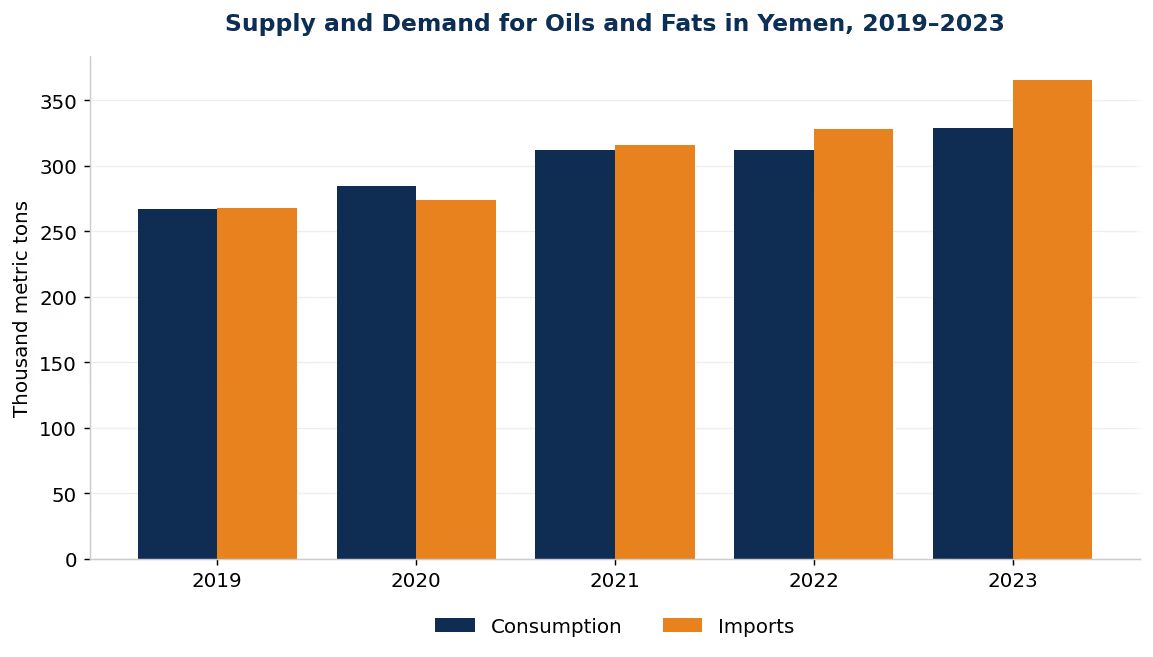
The following chart illustrates the development of consumption and imports over the past five years:
Key Observations
Steady growth in consumption: it rose from 267 thousand metric tons in 2019 to 329 thousand metric tons in 2023, reflecting the rising population and increased food demand.
An increase in imports: imports exceeded the level of consumption in most years, reaching 366 thousand metric tons in 2023, confirming the heavy reliance on imports to bridge the gap between supply and demand.
Limited fluctuation: despite the economic and political conditions Yemen is going through, a relative stability in consumption rates can be observed, with greater variation in imports to meet any sudden rise in demand or to address supply challenges.
Factors Affecting the Yemeni Oils and Fats Market
The economic situation: economic and living conditions affect consumers’ purchasing power, which is reflected in the type of oils preferred and the quantity consumed.
Logistics infrastructure: the import sector faces challenges in transport and storage due to a shortage of ports and modern facilities in some areas.
Consumer preferences: many consumers rely on palm oil due to its low cost compared to other types, while some turn to sunflower or corn oil for health reasons or cooking preferences.
Recommendations
Diversify import sources: to reduce global price volatility and secure a stable supply.
Encourage domestic production: the cultivation of certain oilseed crops such as sesame or sunflower can be expanded in suitable areas, with the aim of reducing reliance on imports and strengthening food security.
Develop infrastructure: investing in ports, storage facilities and transport ensures that oils reach the various regions efficiently and reduces losses across the supply chain.
Raise dietary awareness: educate the public on the importance of diversifying the types of oils and fats used, with a focus on health aspects and reducing the excessive consumption of fats.
Conclusion
The reality of the oils and fats market in Yemen for 2023 points to a continued heavy reliance on imports, especially palm oil and sunflower oil, to meet growing domestic consumption. Despite the economic and logistical challenges, there are opportunities to improve food security by encouraging domestic production and developing supply chains. The success of these efforts would strengthen food stability in the country and support the national economy over the long term.
 Advertise