A Look at the Oils and Fats Market in the United Arab Emirates
The UAE’s Exports, Imports, Production and Consumption of Oils and Fats
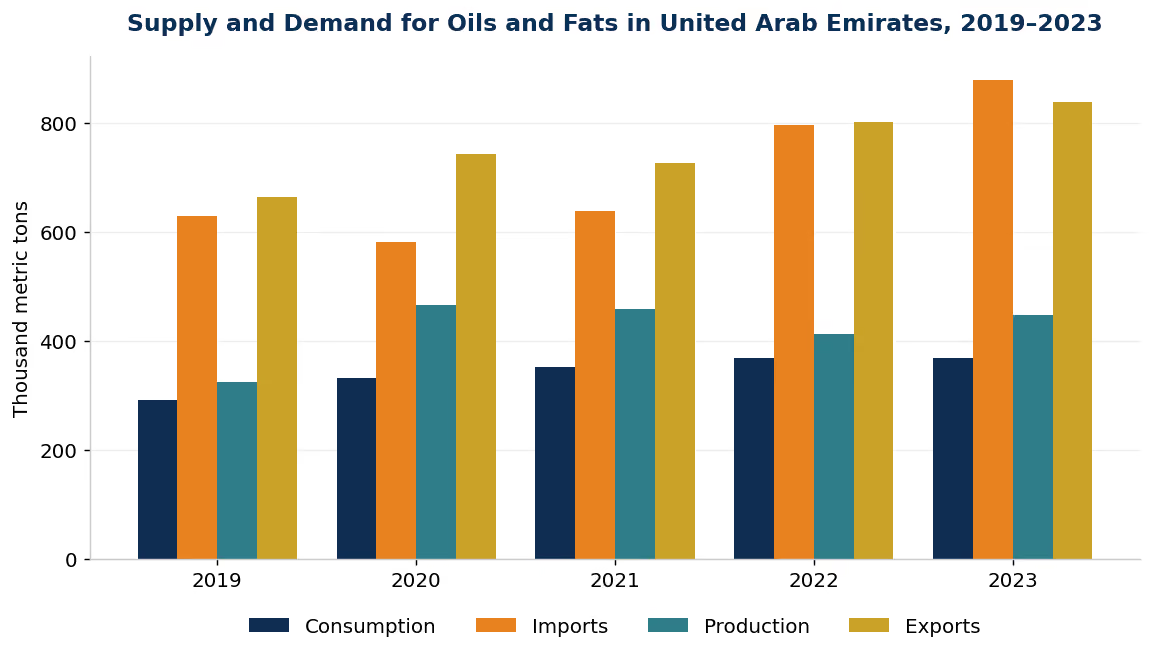
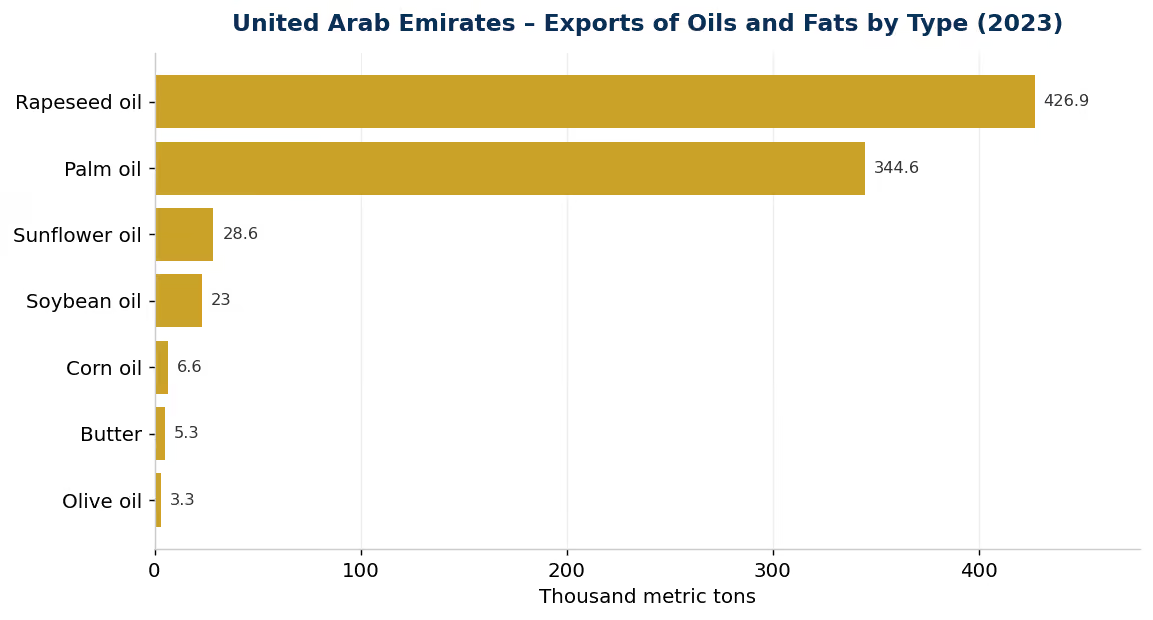
In this section we review data for the United Arab Emirates according to the latest available statistics for 2023. The figures below reflect the UAE’s position as a key trading hub in the region, combining strong domestic consumption with significant export capacity:
Domestic consumption: 369 thousand metric tons
Imports: 880 thousand metric tons
Domestic production: 447 thousand metric tons
Exports: 838 thousand metric tons
These indicators confirm the UAE market’s reliance on imports to meet domestic demand, while at the same time underscoring its capacity to re-export extensively to neighbouring markets.
Historical Analysis for the Period 2019 to 2023
The UAE oils and fats market has seen steady growth from 2019 through 2023, for the following reasons:
Population and economic expansion: population growth and rising income levels have boosted demand for food products in general, and oils and fats in particular.
Strong infrastructure: the UAE has developed world-class ports and logistics facilities, which has facilitated import and export flows.
Diversified import sources: the country has been keen to diversify its sources of oil and fat supply to reduce the risks associated with global price volatility.
Consumption
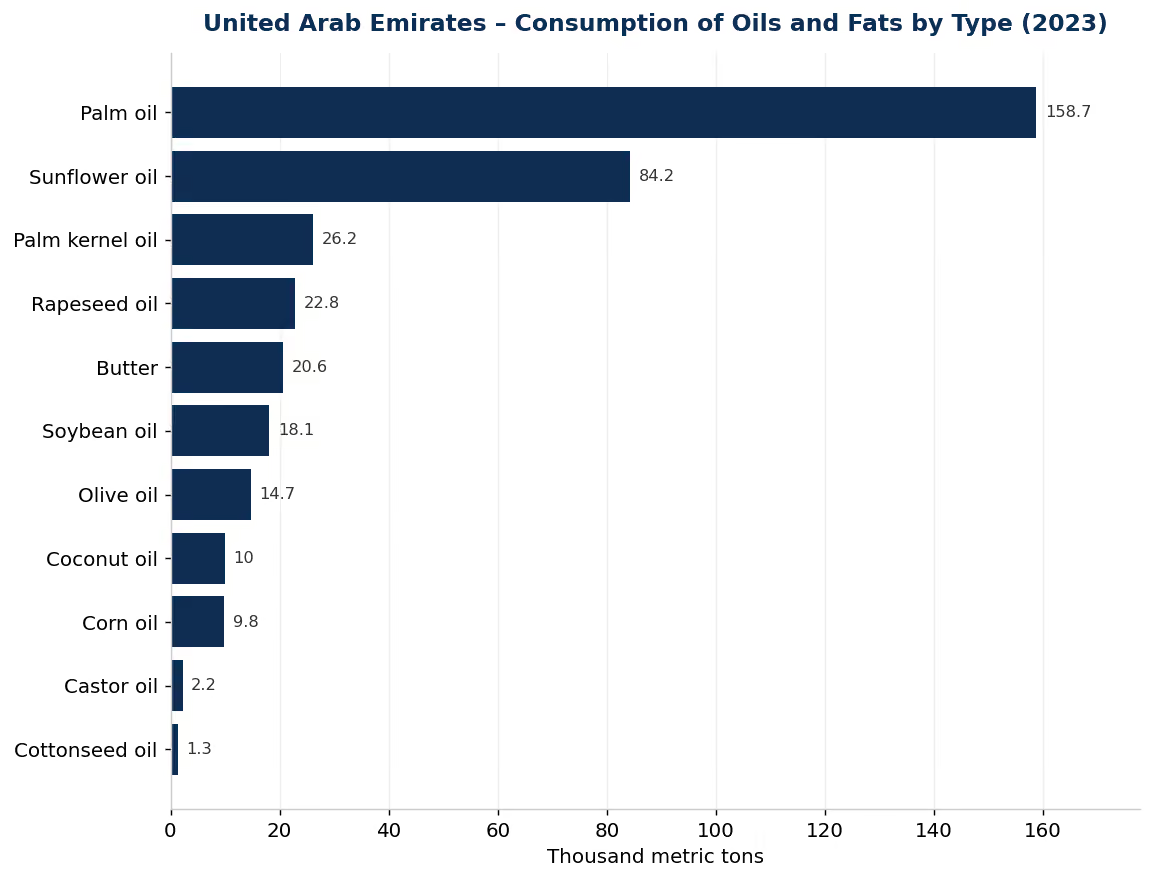
Total consumption: 369 thousand metric tons in 2023.
Leading oils consumed: palm oil (159 thousand metric tons) and sunflower oil (84 thousand metric tons) dominate a large share of domestic consumption.
Other oils: rapeseed oil (23 thousand metric tons), olive oil (15 thousand metric tons), soybean oil (18 thousand metric tons), and butter (21 thousand metric tons) constitute important alternatives in the market.
Imports
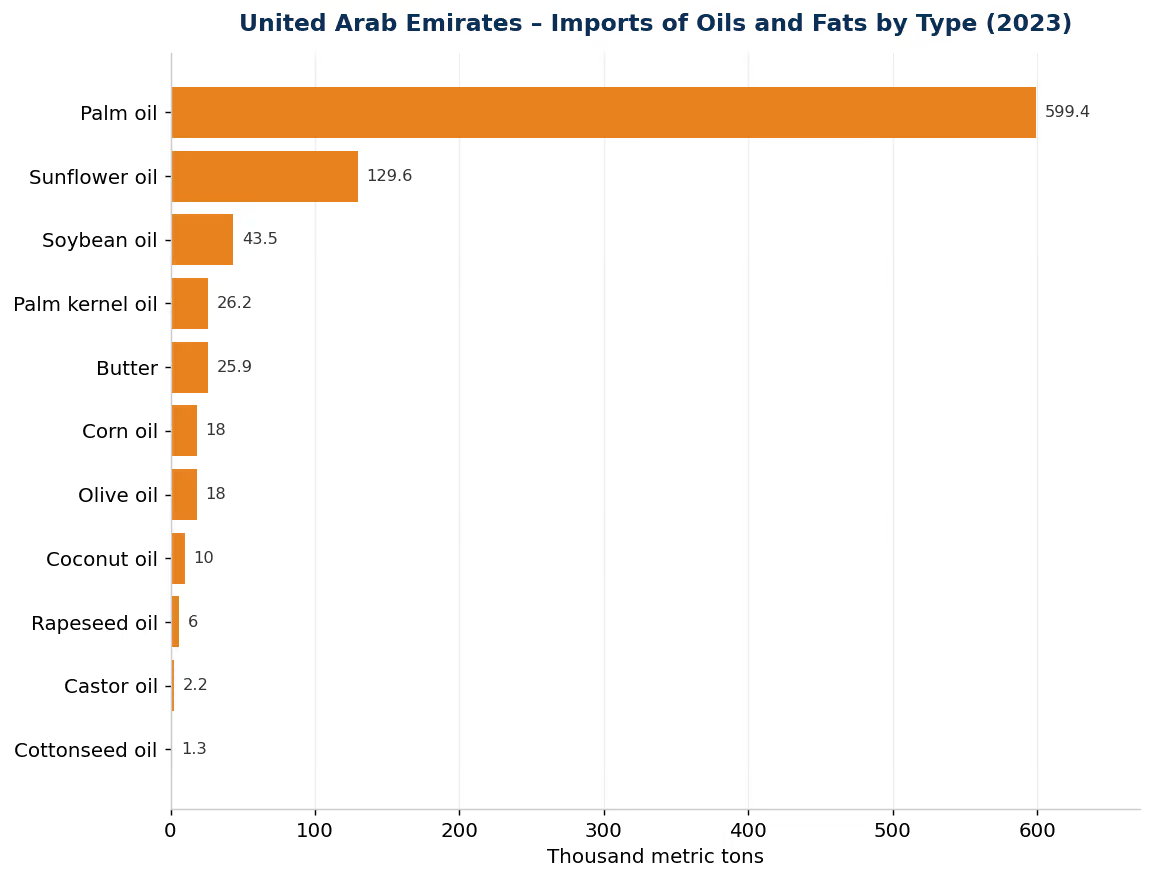
Total imports: 880 thousand metric tons in 2023.
Main oils imported: palm oil (599 thousand metric tons) and sunflower oil (130 thousand metric tons).
Reasons for reliance on imports:
growing domestic demand and insufficient domestic production to cover the market.
the diversity of consumer needs for vegetable and animal oils and fats.
the UAE’s position as a regional re-export hub.
Domestic Production
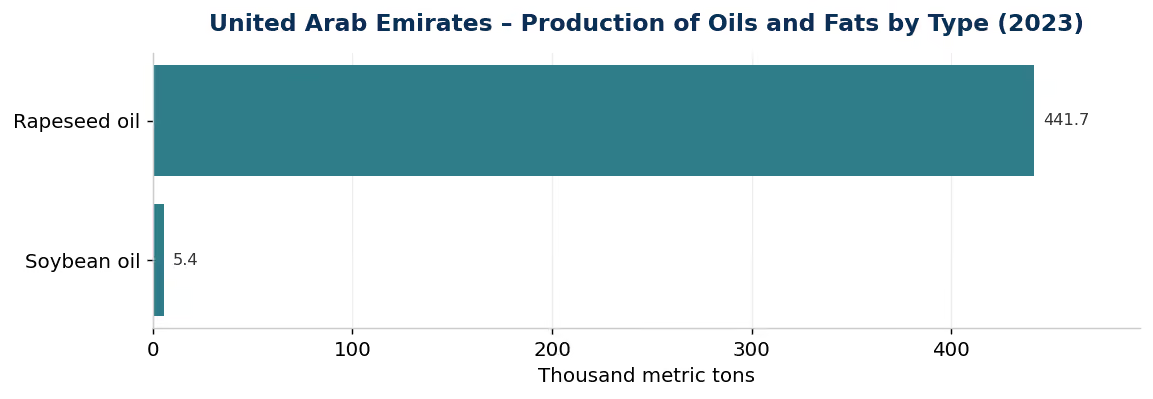
Total production: 447 thousand metric tons in 2023.
Main products:
rapeseed oil (442 thousand metric tons).
soybean oil (5 thousand metric tons).
Development indicators:
growing investment in vegetable oil extraction plants.
support from government policies aimed at strengthening food security and stimulating local industries.
the quality of logistics, storage and transport services.
the existence of bilateral and regional trade agreements that facilitate the flow of goods.
the country’s ability to provide re-exported goods from various sources.
Recommendations
Diversify domestic production: encourage expansion in the production of various oils such as corn oil and sunflower oil to reduce reliance on imports.
Invest in technology and research: develop oil extraction and refining technologies to improve quality and increase competitiveness.
Strengthen food security: develop strategic plans to address global price volatility and ensure an adequate stock of oils and fats.
Market the UAE brand: focus on building a national brand for UAE oils in regional and global markets, leveraging the country’s reputation for product quality.
Conclusion The 2023 data demonstrates the UAE’s pivotal role in the oils and fats market, combining a growing domestic market with a relative reliance on imports, while at the same time holding an important position as a re-export hub. With continued support for domestic production and diversification of import sources, the UAE’s oils and fats sector is expected to maintain its stable growth, benefiting from supportive government policies and the advanced infrastructure that distinguishes the country.
 Advertise