Tunisia is one of the Mediterranean countries with significant potential in the oils and fats sector, especially in the production of olive oil, which is known worldwide for its high quality. Tunisia’s population is around 12 million (2023 estimates), which keeps demand for oils and fats in continuous growth, whether for household consumption or for industrial use in the food and restaurant sectors.
Tunisia’s Exports, Imports, Production and Consumption of Oils and Fats
The 2023 data indicates Tunisia’s continued role as an important player in the production and export of olive oil, alongside domestic consumption that partially relies on imports to meet the diverse needs of the market.
Domestic consumption: 339 thousand metric tons
Imports: 240 thousand metric tons
Domestic production: 298 thousand metric tons
Exports: 232 thousand metric tons
These figures reflect a relative balance between consumption and production, with a tendency toward exporting certain oils, especially olive oil.
Historical Analysis for the Period 2019 to 2023
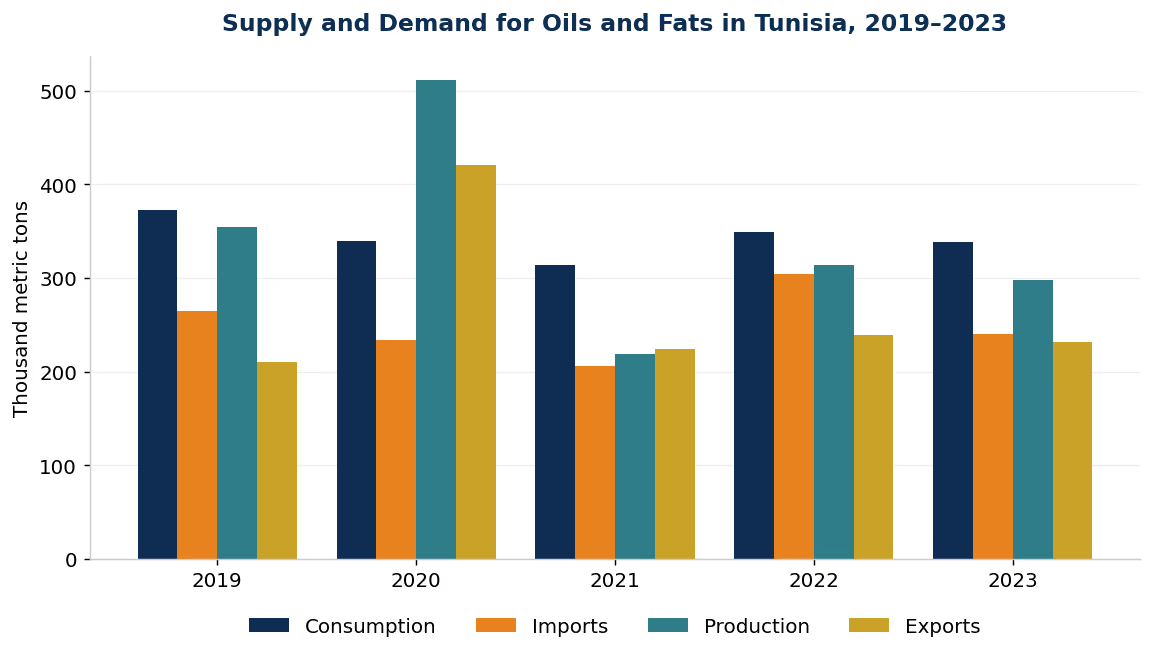
The table below provides an overview of the development of the oils and fats market in Tunisia over the past five years:
Key Observations
Production fluctuation: Tunisia saw a large leap in production in 2020 (512 thousand metric tons), then it dropped to 219 thousand metric tons in 2021, and rose again relatively in 2022 and 2023.
Fluctuations in exports: they peaked in 2020 (421 thousand metric tons), then fell to 232 thousand metric tons in 2023, partly due to changes in olive oil production and its global prices.
Relative stability in consumption: it ranged between 315 and 373 thousand metric tons during the period, with a decline in 2021 and a gradual rise in the following years.
Imports: they fell in 2021 (206 thousand metric tons) then rose in 2022 (305 thousand metric tons), before dropping to 240 thousand metric tons in 2023.
Consumption
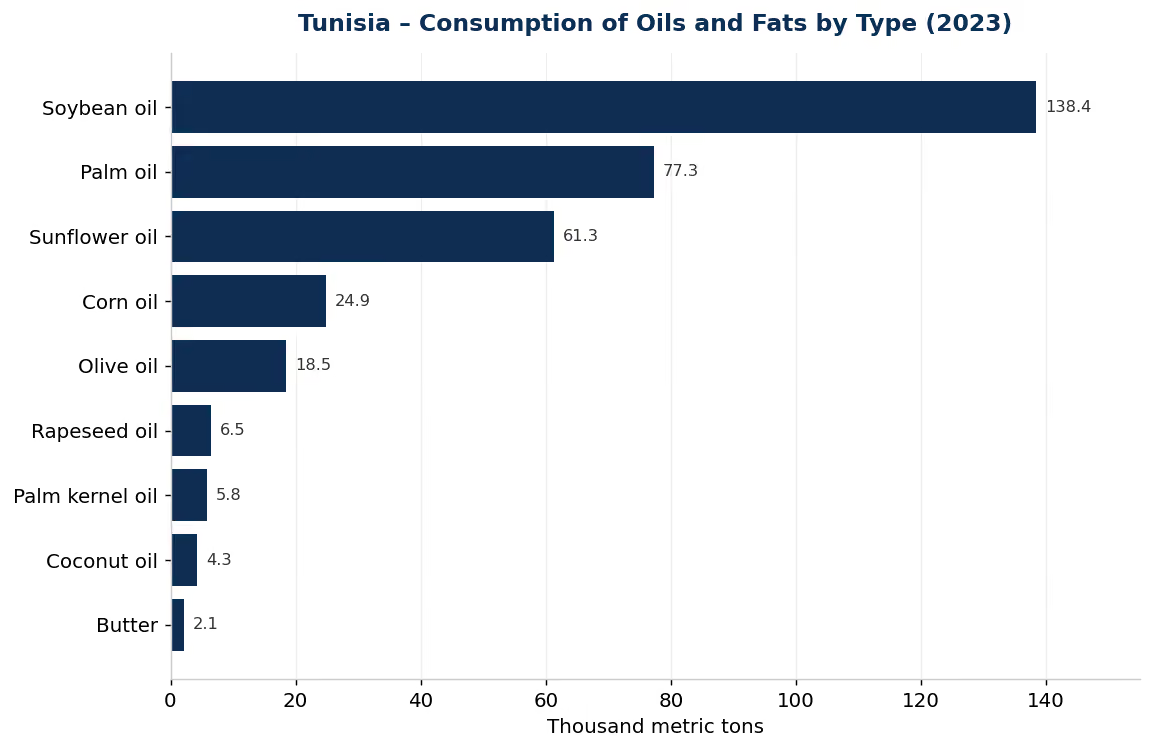
Total consumption: 339 thousand metric tons in 2023.
This diversity indicates the Tunisian consumer’s reliance on several types of oils, with soybean, palm and sunflower oil emerging as the most consumed.
The gap between production and consumption: despite the abundance of olive oil production, demand for other types of oils still exceeds domestic capacity.
Global prices: Tunisia’s imports are affected by fluctuations in vegetable oil prices on international markets.
Quality and specifications: some consumers may prefer specific types of oils for health reasons or cooking preferences.
Domestic Production
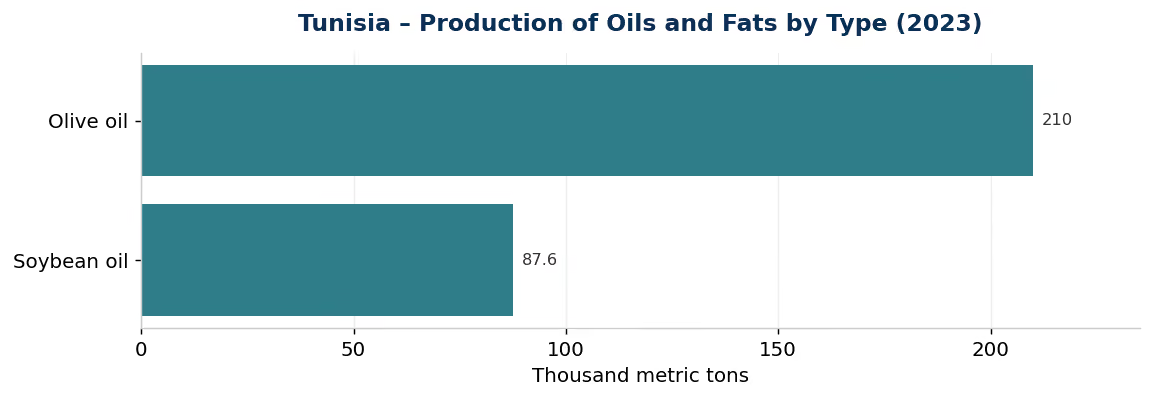
Total production: 298 thousand metric tons in 2023.
Main products:
olive oil (210 thousand metric tons)
soybean oil (88 thousand metric tons)
The role of olive oil:
An important contribution to the economy: olive oil is considered a strategic product for Tunisia, with a large part of it exported to global markets.
Climate fluctuations: these affect the olive harvest seasons and consequently olive oil production.
Expansion in soybean oil: the rise in soybean oil production is an indicator of diversification of the agricultural and industrial base.
Exports
Total exports: 232 thousand metric tons in 2023.
Products exported:
olive oil (209 thousand metric tons)
corn oil (18 thousand metric tons)
sunflower oil (5 thousand metric tons)
soybean oil (1 thousand metric tons)
Reasons for export:
The quality of Tunisian olive oil: it enjoys an excellent international reputation, which boosts export capacity.
A distinguished geographic location: it provides quick access to European and African markets.
The government’s role: encouraging and supporting exporters as part of economic diversification policies.
Recommendations
Diversify oilseed crops: focus on cultivating soybean and sunflower to reduce reliance on imports.
Improve production techniques: adopt advanced agricultural technologies and modernize extraction and refining plants to raise productivity and quality.
International marketing: strengthen the Tunisian olive oil brand in global markets while continuing to open new markets.
Stimulate innovation: encourage research and development to produce new oils or improve the nutritional properties of existing oils.
Conclusion
The 2023 data shows Tunisia continuing to consolidate its regional and global position in the production and export of olive oil, with growing soybean oil production. Although domestic consumption requires significant imports of other oils, the capacity to export—especially olive oil—provides an opportunity to create a positive economic balance. With continued government and private-sector efforts to support farmers and develop value chains, the oils and fats sector in Tunisia is expected to maintain its economic importance and contribute to strengthening food security and international competitiveness.
 Advertise