Syria enjoys diverse agricultural potential thanks to its geographic location and temperate climate, which enables it to produce several types of oils and fats. However, the sector suffers from challenges related to domestic production conditions and the general economic situation. Syria’s population is around 22 million (2023 estimates), which represents growing demand for food products, including oils and fats.
Syria’s Exports, Imports, Production and Consumption of Oils and Fats
The data for 2023 shows a partial reliance on imports to meet domestic consumption needs, while production and exports point to the role of certain domestic oils in regional and global markets, especially olive oil.
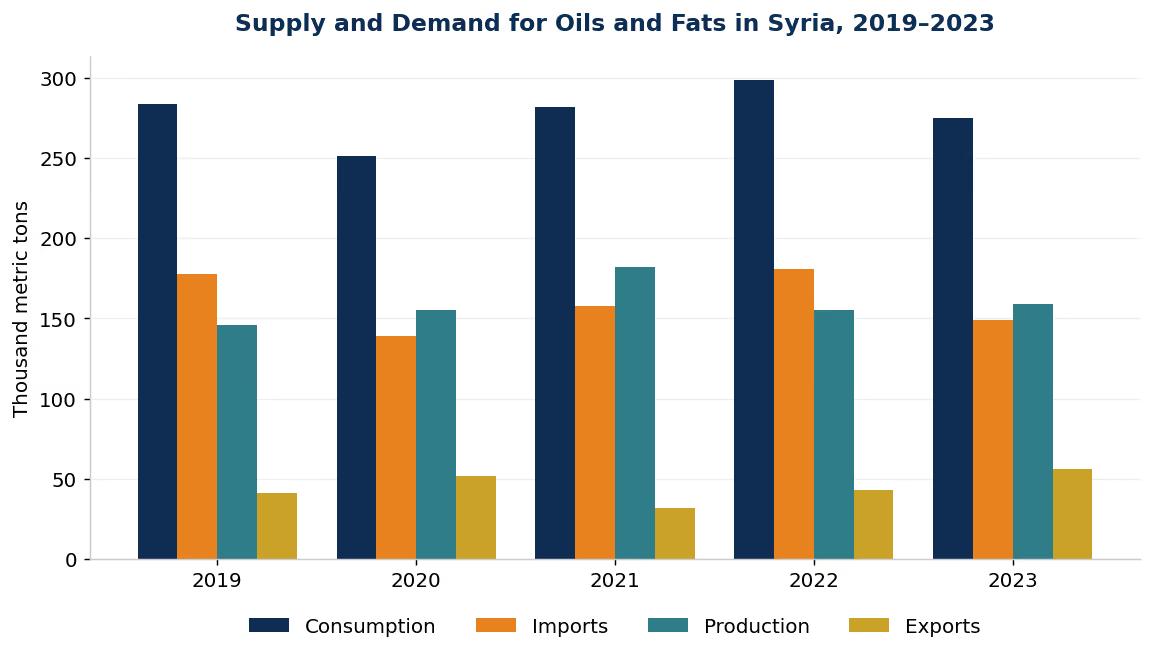
Domestic consumption: 275 thousand metric tons
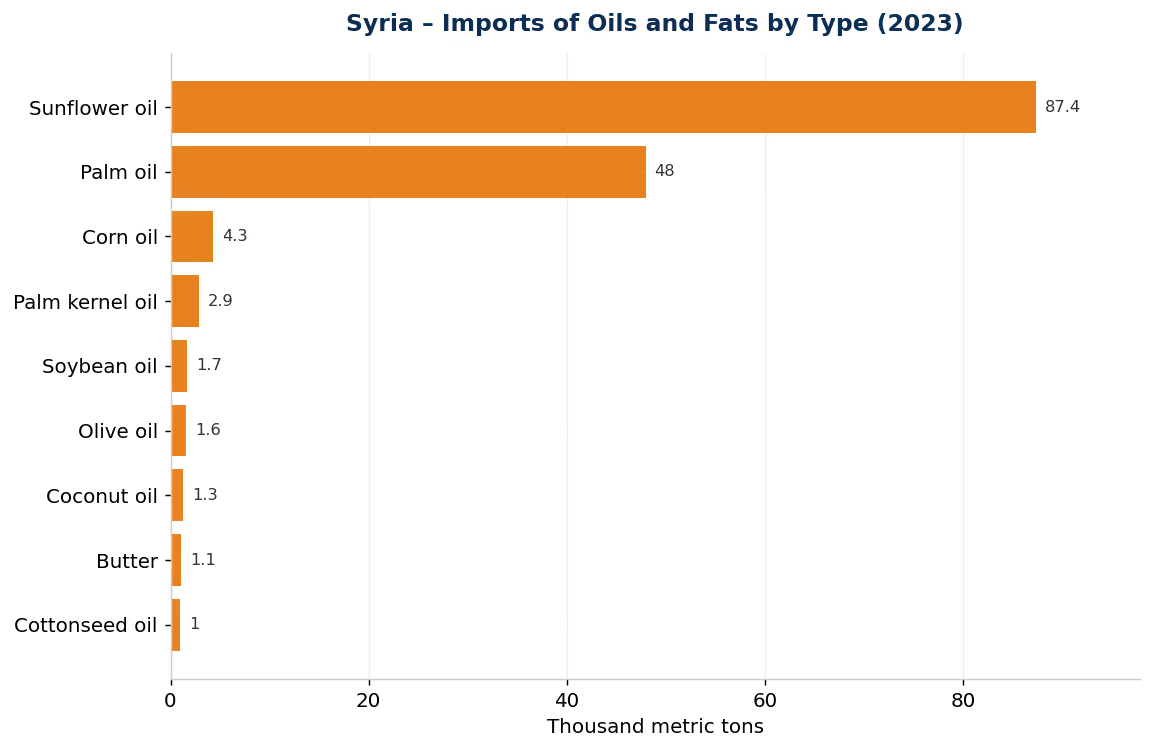
Imports: 149 thousand metric tons
Domestic production: 159 thousand metric tons
Exports: 56 thousand metric tons
These figures reflect a gap between consumption and production that is partially covered through imports, while a surplus of certain distinctive oils, especially olive oil, is exported.
Historical Analysis for the Period 2019 to 2023
The following table shows the changes in consumption, imports, production and exports over the past five years:
Key Observations
Fluctuation in consumption: it peaked in 2022 (299 thousand metric tons), then declined in 2023 to 275 thousand metric tons.
Fluctuations in imports: they were affected by economic conditions and exchange rates, rising in 2022 to 181 thousand metric tons before falling to 149 thousand metric tons in 2023.
Changes in production: it saw a notable rise in 2021 (182 thousand metric tons) then declined to 155 thousand metric tons in 2022, and rose slightly again to 159 thousand metric tons in 2023.
Growth in exports in 2023: they recorded 56 thousand metric tons, mainly due to olive oil exports.
Consumption
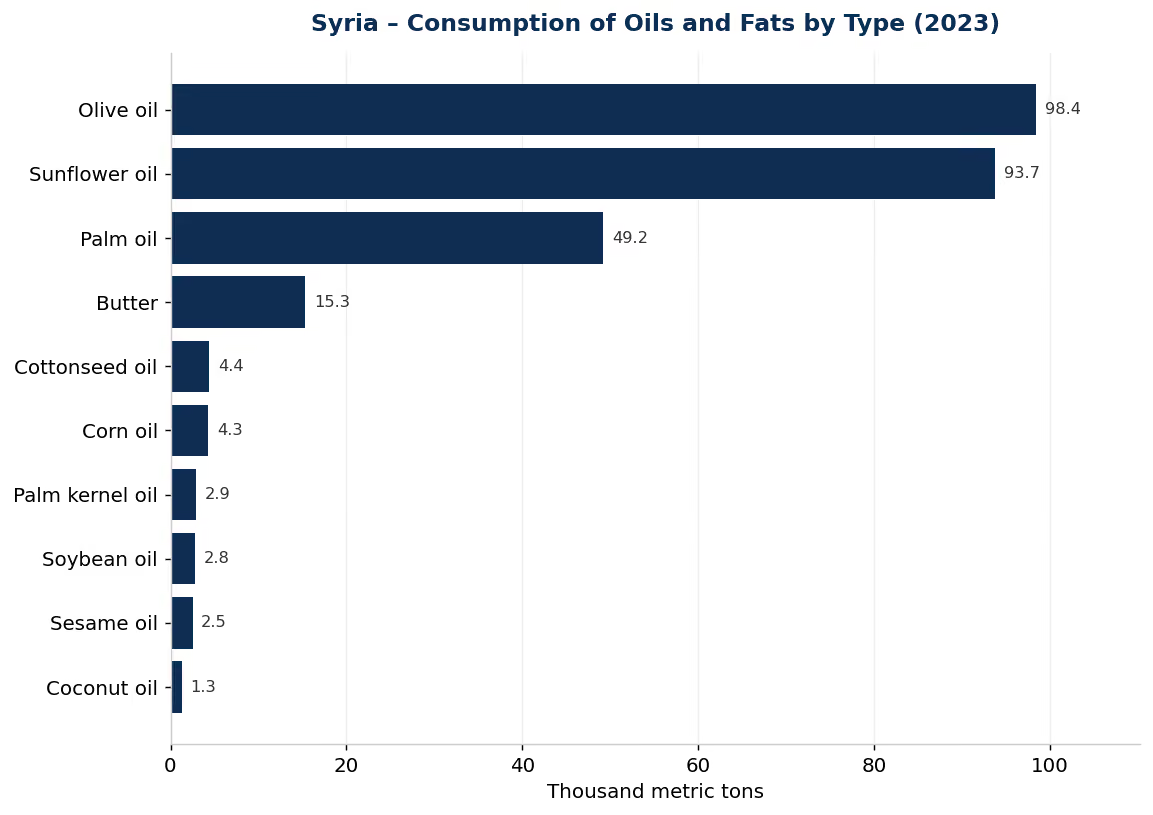
Total consumption: 275 thousand metric tons in 2023.
The gap between production and consumption: the need to compensate for the shortfall in certain oils.
Economic fluctuations: these affect importers’ purchasing power and shipping costs.
Changing consumer preferences: demand may shift toward certain oils for health or price reasons.
Domestic Production
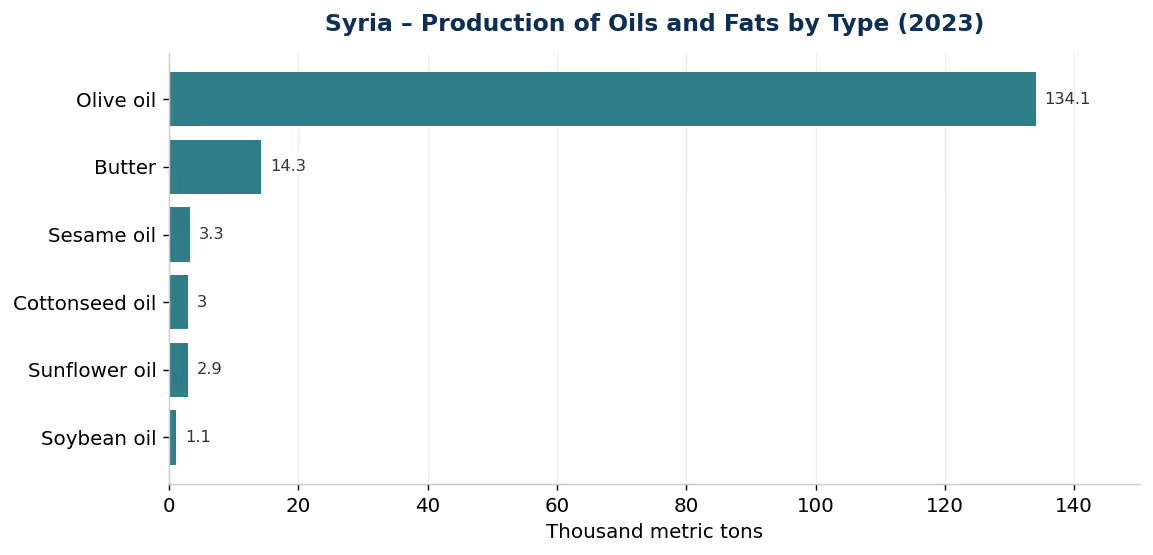
Total production: 159 thousand metric tons in 2023.
Main products:
olive oil (134 thousand metric tons)
butter (14 thousand metric tons)
sesame oil (3 thousand metric tons)
cottonseed oil (3 thousand metric tons)
sunflower oil (3 thousand metric tons)
soybean oil (1 thousand metric tons)
Notes:
The dominance of olive oil: olive oil is the main product in Syria and occupies an important place in the agricultural sector.
Opportunities to develop the remaining oilseed crops: this may help reduce imports and improve food security.
Exports
Total exports: 56 thousand metric tons in 2023.
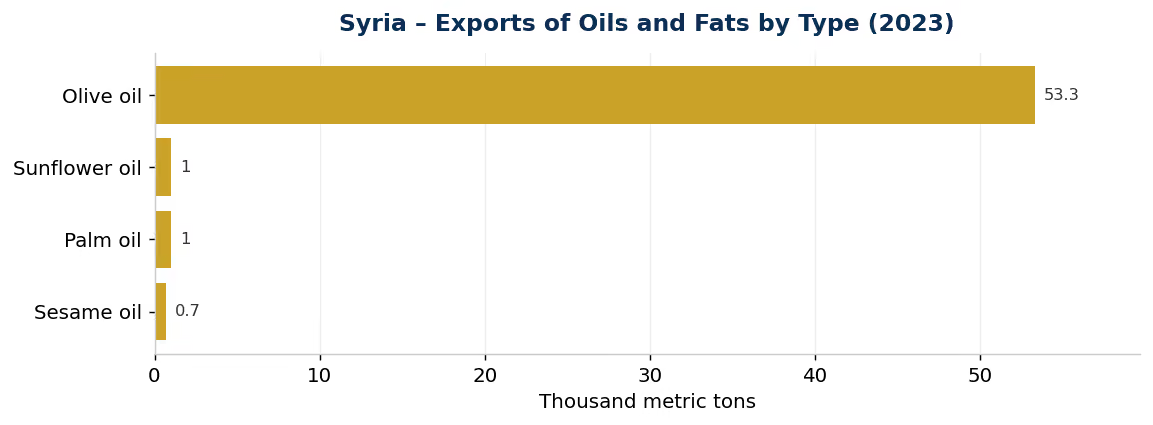
Products exported:
olive oil (53 thousand metric tons)
sesame oil (1 thousand metric tons)
palm oil (1 thousand metric tons)
sunflower oil (1 thousand metric tons)
Reasons for export:
The quality of Syrian olive oil: it is renowned worldwide for its flavour and nutritional value, which boosts export capacity.
The desire to obtain cash revenue: exports help provide hard currency.
Foreign demand: some regional and international markets prefer Syrian oils for reasons related to taste and heritage.
Recommendations
Improve agricultural infrastructure: support farmers with modern irrigation techniques and improved fertilizers to raise the productivity of oilseed crops.
Strengthen processing industries: invest in advanced refining and packaging plants to increase the added value of domestic products.
Diversify production: expand the cultivation of oilseed crops such as sunflower and soybean to reduce reliance on imports.
Encourage research and development: invest in research to improve oil quality, reduce costs, and enhance export opportunities.
Conclusion
The analysis of the oils and fats market in Syria for 2023 points to a significant reliance on domestic olive oil production, against the import of other types to meet growing domestic demand. Despite the economic challenges and climate fluctuations, there remain promising opportunities to develop the sector through investment in agricultural infrastructure and processing industries. With continued attention to product quality and support for farmers, this sector can play an important role in achieving food security and boosting export revenues.
 Advertise