Qatar: A Look at the Oils and Fats Market for 2023
The State of Qatar is one of the fastest-growing economies in the Arabian Gulf region, thanks to its oil and gas resources and ambitious development policies. Its population is around 3 million (2023 estimates), a large proportion of whom are expatriates, which makes the domestic market diverse in its habits and food preferences. Oils and fats play an important role in the Qatari diet, both in household use and in the restaurant and hotel sector.
Imports in 2023
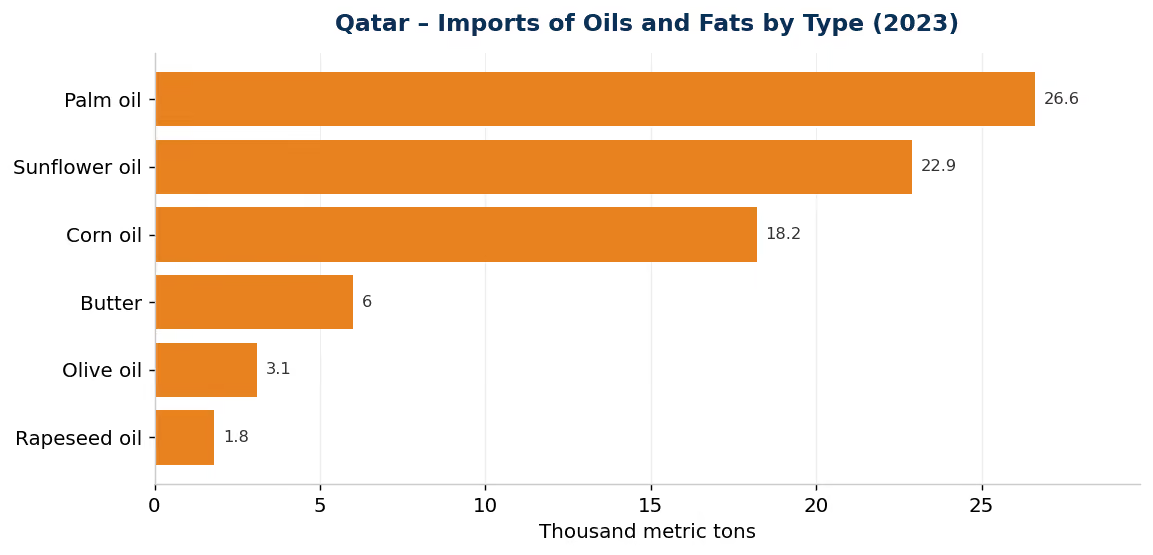
The available data indicates that Qatar’s total imports of oils and fats reached 79 thousand metric tons in 2023. Below are the import details by type of oil or fat:
Palm oil: 27 thousand metric tons
Corn oil: 18 thousand metric tons
Sunflower oil: 23 thousand metric tons
Butter: 6 thousand metric tons
Olive oil: 3 thousand metric tons
Rapeseed oil: 2 thousand metric tons
This diversity in imports reflects the meeting of various tastes and food needs, with a clear focus on palm oil, corn oil and sunflower oil, while butter, olive oil and rapeseed oil hold a relatively smaller share.
Factors Affecting the Qatari Oils and Fats Market
High purchasing power: Qatar has a high income level, which allows consumers to buy different types of oils and fats, whether for daily use or in the hospitality sector.
Population diversity: expatriates make up a large proportion of Qatar’s population, which is reflected in the diversity of habits and food preferences, and therefore the diversity of demand for oils.
The government’s role: government policies support food-security projects, including developing storage facilities and strengthening supply chains to ensure the availability of basic commodities.
Health trends: a segment of consumers is interested in health aspects, which may increase demand for certain oils such as olive oil and rapeseed oil, although the quantities are still limited compared to other oils.
Challenges and Opportunities
Challenges:
Reliance on imports: given the limited agricultural land and water resources, Qatar relies almost entirely on imports to meet its oil and fat needs.
Global market volatility: global prices and supply chains affect the cost and availability of imports, which may pose a challenge to price stability.
Opportunities:
Diversifying sources: diversifying the countries supplying oils and fats helps secure stable supplies at competitive prices.
Investment in processing industries: oil refining and packaging facilities can be developed locally to raise added value and provide jobs.
Conclusion
Qatar’s imports for 2023 indicate a growing reliance on diverse vegetable oils, with a primary focus on palm oil, corn oil and sunflower oil. Given the high purchasing power and population diversity, the food sector in Qatar remains an active market for oils and fats. Despite the limited domestic production, government initiatives and private investments can contribute to strengthening food security by developing processing industries and diversifying import sources, ensuring the availability of essential food commodities at suitable quality and prices.
 Advertise