Mauritania: A Look at the Oils and Fats Market for 2023
Mauritania is located in the North-West Africa region, characterized by a vast geographic expanse that includes a coastline on the Atlantic Ocean and an immense desert. The Mauritanian economy relies heavily on the agricultural and pastoral sectors, in addition to sea fishing and minerals. Despite the large area and relatively low population density (the population is estimated at around 5 million in 2023), the oils and fats market sees growing demand as a result of several factors, foremost among them population growth and improved living standards in some urban areas.
Imports in 2023
According to the available data, Mauritania imports significant quantities of oils to meet the needs of the domestic market:
Total imports: 248 thousand metric tons
Leading oils imported:
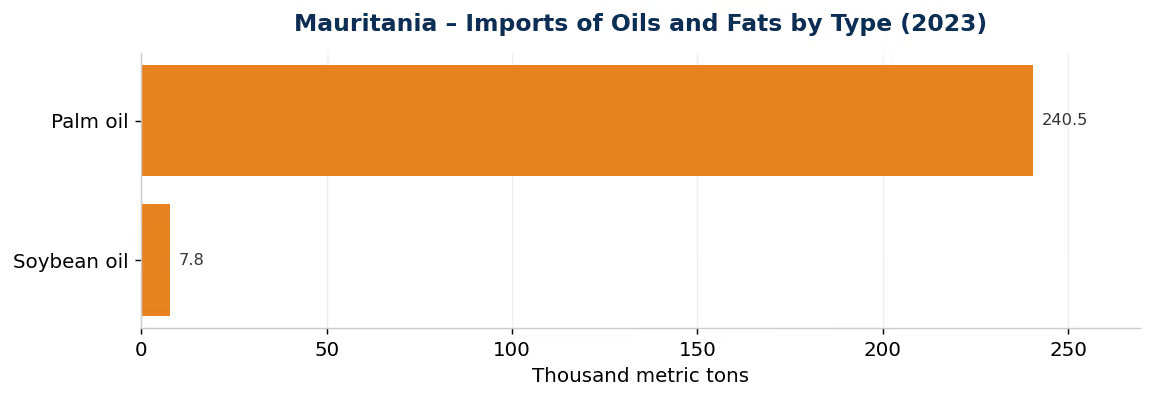
palm oil: 241 thousand metric tons
soybean oil: 8 thousand metric tons
These figures indicate the dominance of palm oil in Mauritania’s oil imports, as it is a versatile oil used in cooking and the food industries. The relatively limited import of soybean oil also shows that there is consumption of it, but much less than that of palm oil.
Factors Affecting the Mauritanian Oils and Fats Market
Geographic location and climate: the desert climate conditions pose a major challenge to agriculture, reducing the country’s ability to produce oilseed crops in sufficient quantities.
Consumer preferences: a large proportion of consumers tend to use palm oil due to its availability in the markets and its lower price compared to some other oils.
Population growth and urbanization: urban expansion and the increased number of city residents lead to rising demand for food products, including oils and fats.
Infrastructure: oil imports require suitable infrastructure for transport, storage and distribution, which may pose a challenge in some areas far from the ports or urban centres.
Recommendations
Diversify import sources: to reduce the risks associated with global price volatility or supply-chain disruptions, especially given the heavy reliance on palm oil.
Encourage domestic production: the cultivation of oilseed crops can be strengthened in suitable areas by providing incentives for farmers and investing in modern irrigation and farming technologies.
Develop processing industries: establish or modernize refining and packaging plants to raise added value and provide local jobs.
Raise health awareness: educate the public about the variety of oils available in the markets and encourage the balanced use of the various vegetable oils, ensuring an improved diet for consumers.
Conclusion
Mauritania’s oil imports for 2023 indicate an almost complete reliance on palm oil, with limited quantities of soybean oil. This reflects the climate and economic challenges that prevent the achievement of self-sufficiency in this sector. Despite these challenges, there are opportunities to improve food security by developing domestic production and diversifying import sources, with a focus on raising the efficiency of supply, storage and distribution chains to ensure that oils and fats are available in a stable manner and at suitable prices.
 Advertise