Libya is one of the Arab countries overlooking the Mediterranean Sea, which gives it a suitable environment for olive cultivation and reliance on it as a main crop in oil production. Libya’s population is around 7 million (2023 estimates), and the oils and fats sector sees continuous demand resulting from household consumption and industrial needs. Despite the availability of some domestic production, imports remain essential to meet demand for the various oils.
Libya’s Imports, Production and Consumption of Oils and Fats
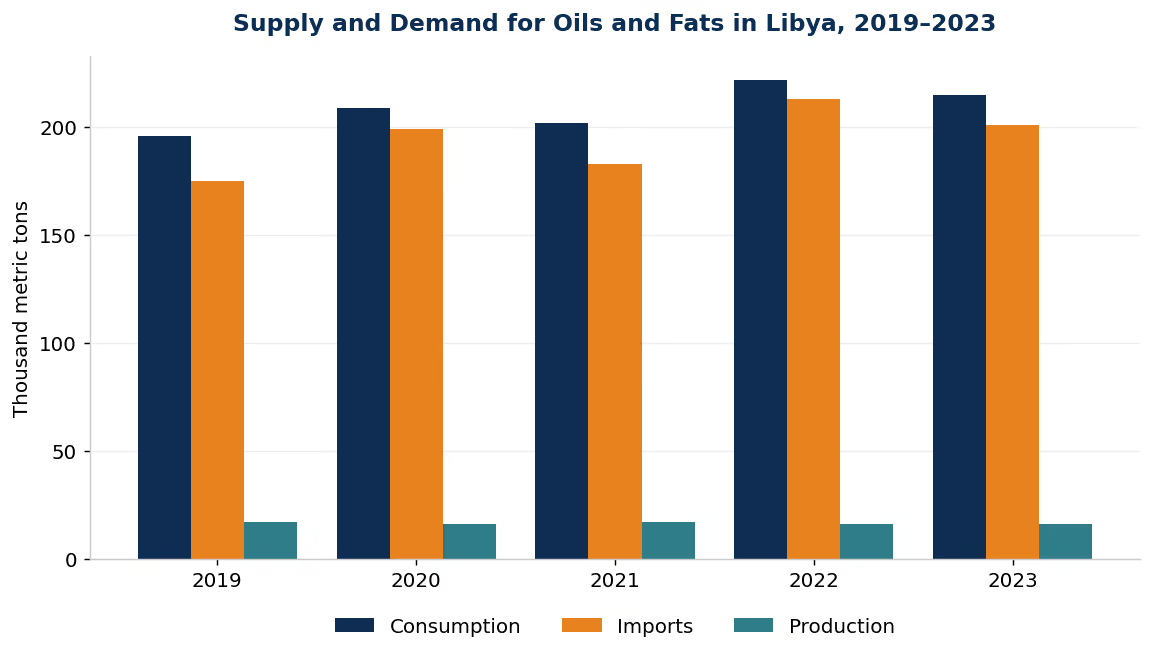
The 2023 data indicates a gap between consumption and domestic production, necessitating reliance on imports to cover the shortfall in most types of oils.
Domestic consumption: 215 thousand metric tons
Imports: 201 thousand metric tons
Domestic production: 16 thousand metric tons
These figures reflect a heavy reliance on imports, while olive oil plays an important role in domestic production, albeit in limited quantities.
Historical Analysis for the Period 2019 to 2023
The chart below illustrates the development of consumption, imports and production over the past five years:
Key Observations
Fluctuations in consumption: it ranged between 197 thousand metric tons in 2019 and 222 thousand metric tons in 2022, before declining relatively to 215 thousand metric tons in 2023.
Fluctuation in imports: they peaked in 2022 (213 thousand metric tons) then fell to 201 thousand metric tons in 2023, which may reflect changes in market needs or supply chains.
Relative stability in production: domestic olive oil production remained around 17 thousand metric tons for several years, then declined to 16 thousand metric tons in 2023, indicating that the agricultural sector needs more support and development.
Consumption
Total consumption: 215 thousand metric tons in 2023.
Most consumed oils:
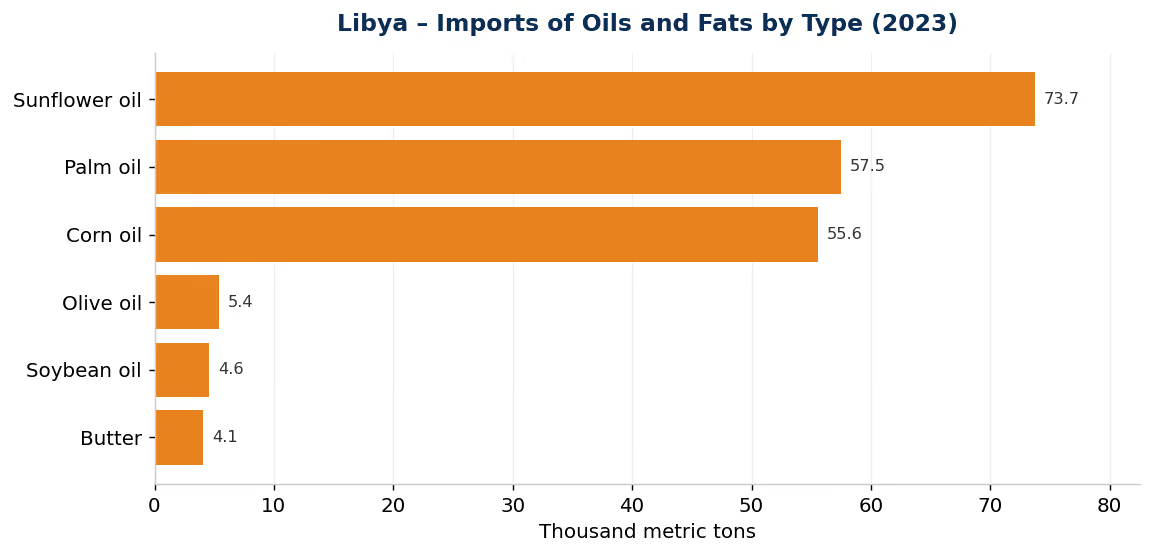
corn oil (56 thousand metric tons)
palm oil (58 thousand metric tons)
sunflower oil (72 thousand metric tons)
olive oil (21 thousand metric tons)
Other oils: butter (4 thousand metric tons) and soybean oil (5 thousand metric tons).
This diversity reflects the Libyan consumer’s reliance on several types of oils, with a dominance of sunflower, palm and corn oil.
The gap between production and consumption: the Libyan market relies on imports to cover the shortfall in most types of oils.
Global volatility: oil prices on international markets affect import volumes and costs.
Economic and political conditions: these may affect supply chains and the stability of supply in the domestic market.
Domestic Production
Total production: 16 thousand metric tons in 2023.
Main product: olive oil (16 thousand metric tons).
Notes:
An almost complete reliance on olive oil: it is the only oil produced locally in commercial quantities.
The need to diversify crops: supporting the cultivation of other oilseed crops such as sunflower or soybean could contribute to reducing reliance on imports.
Recommendations
Develop the agricultural sector: encourage the cultivation of diverse oilseed crops to improve food security and reduce reliance on imports.
Improve infrastructure: invest in domestic oil extraction and refining plants to raise added value and support potential future exports.
Stimulate domestic and foreign investment: provide incentives for companies to enter the field of oil production and marketing.
Strengthen dietary awareness: educate the public on the benefits of certain healthy oils such as olive oil and soybean oil, which may support the growth of domestic production.
Conclusion
The analysis of the oils and fats market in Libya for 2023 points to a continued heavy reliance on imports, against limited domestic production confined to olive oil. With rising demand in the domestic market, the need emerges for policies supporting the agricultural sector and processing industries to increase production and diversify oil sources, contributing to achieving greater food security and strengthening economic stability in the country.
 Advertise