Lebanon enjoys a distinguished geographic location on the Mediterranean Sea, which has historically given it the opportunity to engage in multiple commercial and agricultural activities. With a population estimated at around 6 million (2023 estimates), the oils and fats market sees continuous demand, driven by an active restaurant and hotel sector alongside household consumption.
Lebanon’s Exports, Imports, Production and Consumption of Oils and Fats
The 2023 data reflects a reliance on imports to cover a large part of domestic consumption, with domestic production concentrated mainly in olive oil and soybean oil, as well as limited export activity.
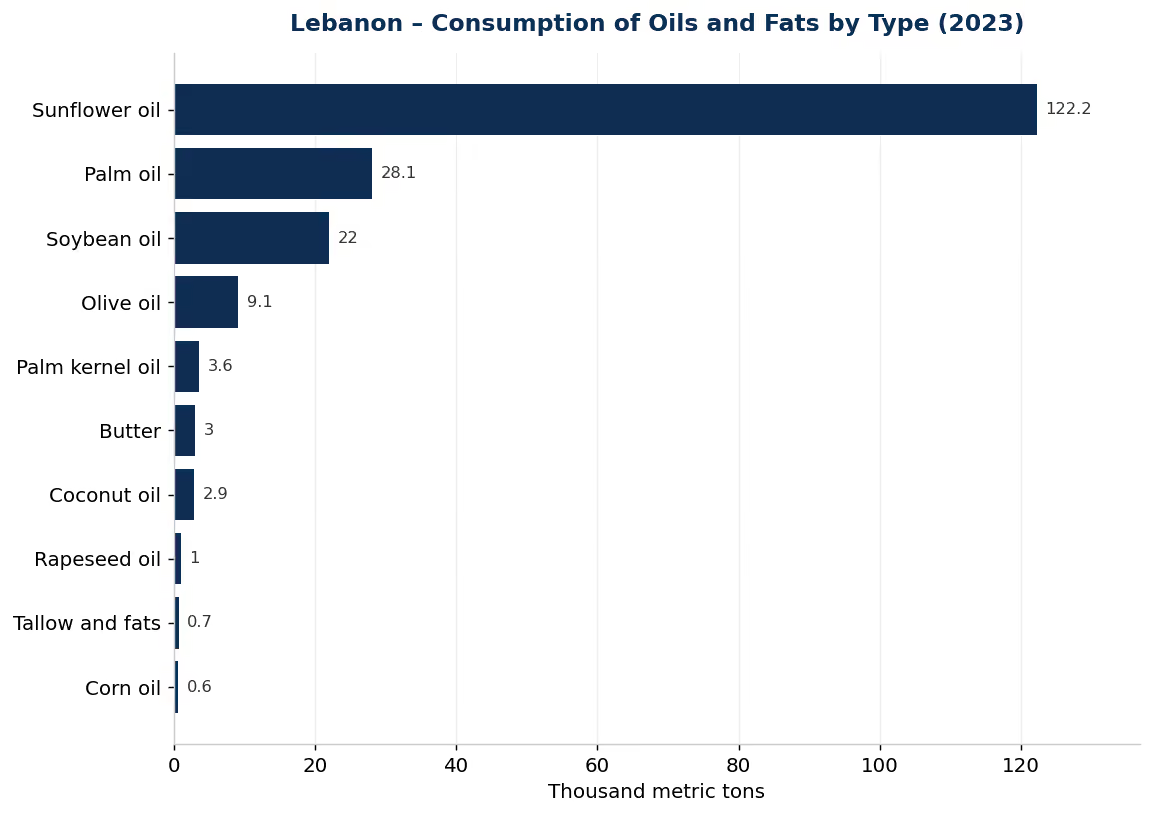
Domestic consumption: 193 thousand metric tons
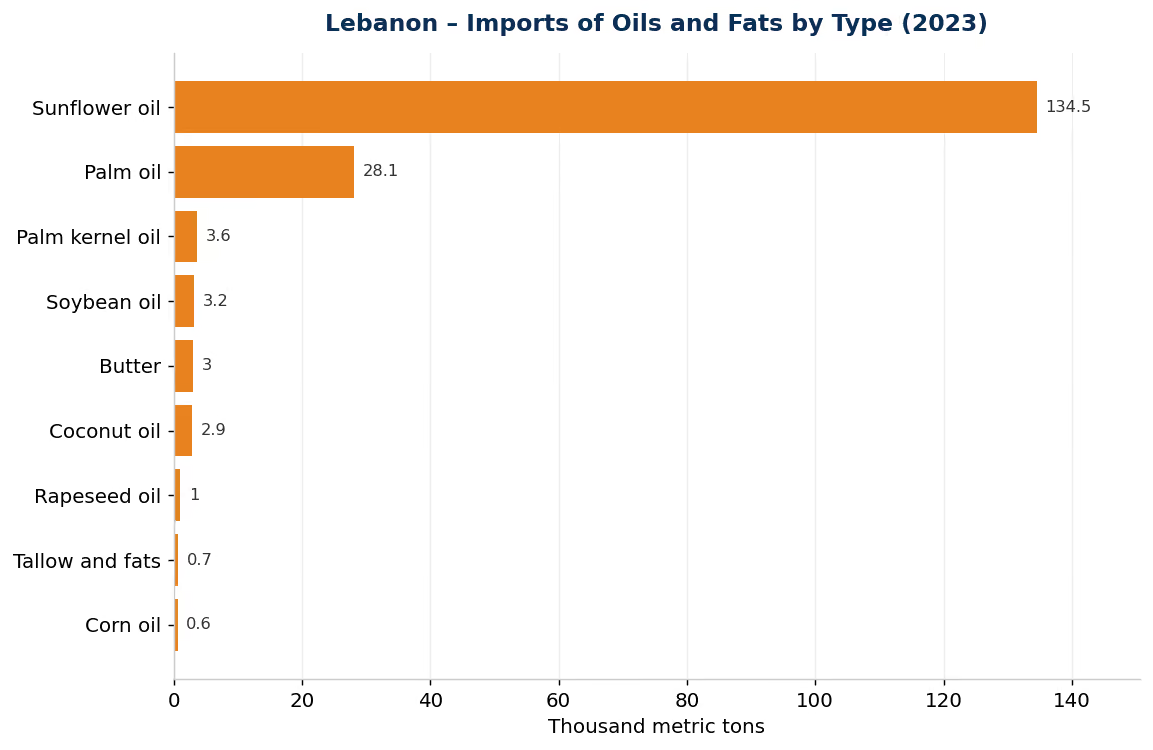
Imports: 178 thousand metric tons
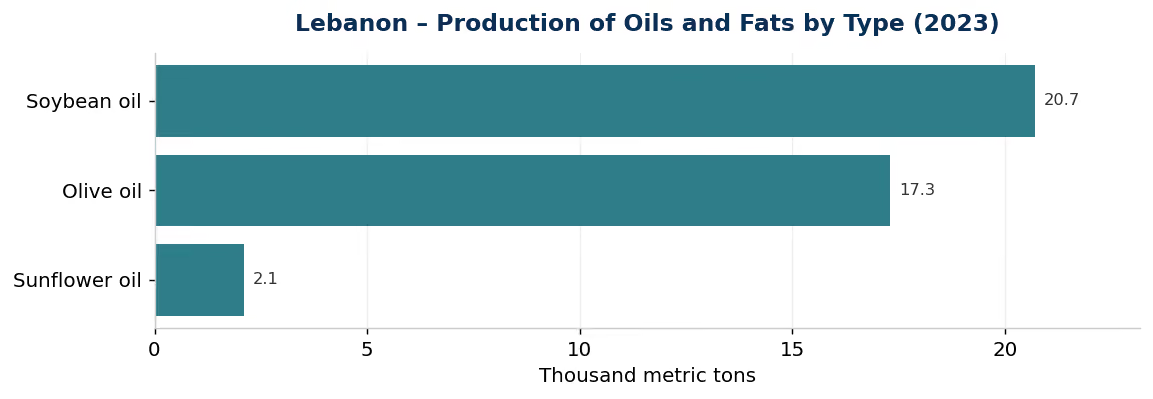
Domestic production: 40 thousand metric tons
Exports: 14 thousand metric tons
These figures indicate that Lebanon still needs imports to cover part of its consumption, while domestic production provides a surplus for export in certain types, especially olive oil.
Historical Analysis for the Period 2019 to 2023
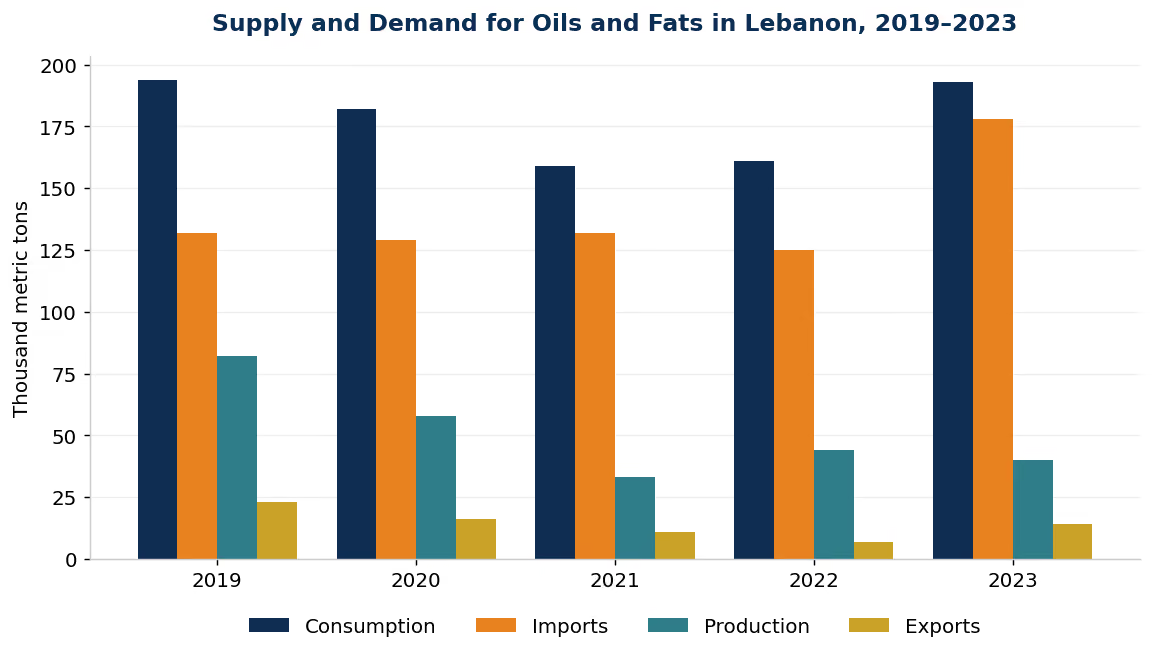
The chart below illustrates the changes in consumption, imports, production and exports over the past five years:
Key Observations
Fluctuations in consumption: consumption fell to 159 thousand metric tons in 2021 then rose again to 193 thousand metric tons in 2023, which may reflect developments in purchasing power and economic conditions.
An increase in imports in 2023: they jumped from 125 thousand metric tons in 2022 to 178 thousand metric tons in 2023, indicating increased demand or changes in global supply chains.
Fluctuation in production: after reaching 82 thousand metric tons in 2019, it declined to 33 thousand metric tons in 2021, then stabilized relatively around 40 thousand metric tons in 2023.
Exports: they fell from 23 thousand metric tons in 2019 to 7 thousand metric tons in 2022, then rose again to 14 thousand metric tons in 2023, reflecting some improvement in export capacity.
Consumption
Total consumption: 193 thousand metric tons in 2023.
The gap between production and consumption: domestic production remains limited, requiring the import of large quantities to meet demand.
Global market volatility: this affects import prices and quantities.
The quality of the imported product: consumers may prefer certain global brands.
Domestic Production
Total production: 40 thousand metric tons in 2023.
Main products:
olive oil (17 thousand metric tons)
soybean oil (21 thousand metric tons)
sunflower oil (2 thousand metric tons)
Notes:
The importance of olive oil: it is a traditional product associated with Lebanese cuisine and is distinguished by its quality.
Developing soybean oil production: indicates attempts to diversify sources of domestic production.
The need to support the agricultural sectors: this may help increase the share of domestic production in total consumption.
Exports
Total exports: 14 thousand metric tons in 2023.
Leading products exported: olive oil (11 thousand metric tons) and sunflower oil (3 thousand metric tons).
Reasons for export:
The reputation of Lebanese olive oil: it enjoys wide acceptance in regional and international markets.
Generating additional revenue: exporting oils contributes to supporting the local economy.
Certain trade agreements: these may help facilitate the entry of Lebanese products into foreign markets.
Recommendations
Support the cultivation of oilseed crops: to reduce reliance on imports and strengthen food security.
Encourage processing industries: improve refining and packaging operations to raise the added value of domestic products.
Market Lebanese olive oil globally: by focusing on the product’s quality and unique characteristics.
Strengthen regional cooperation: form partnerships with neighbouring countries to exchange expertise and open new markets.
Conclusion
Although Lebanon relies heavily on imports to meet its oil and fat needs, domestic production—especially olive oil—still enjoys a good global reputation and constitutes an important contributor to exports. With the continued economic challenges in the country, developing the agricultural sector and the processing industries remains a necessity for achieving greater self-sufficiency and strengthening the competitiveness of Lebanese products in foreign markets.
 Advertise