An Overview of the Oils and Fats Market in Algeria
Algeria’s Exports, Imports, Production and Consumption of Oils and Fats
The data below is based on the latest available figures for 2023, and illustrates the extent to which the domestic market relies on imports to meet demand, alongside a gradually increasing level of domestic production:
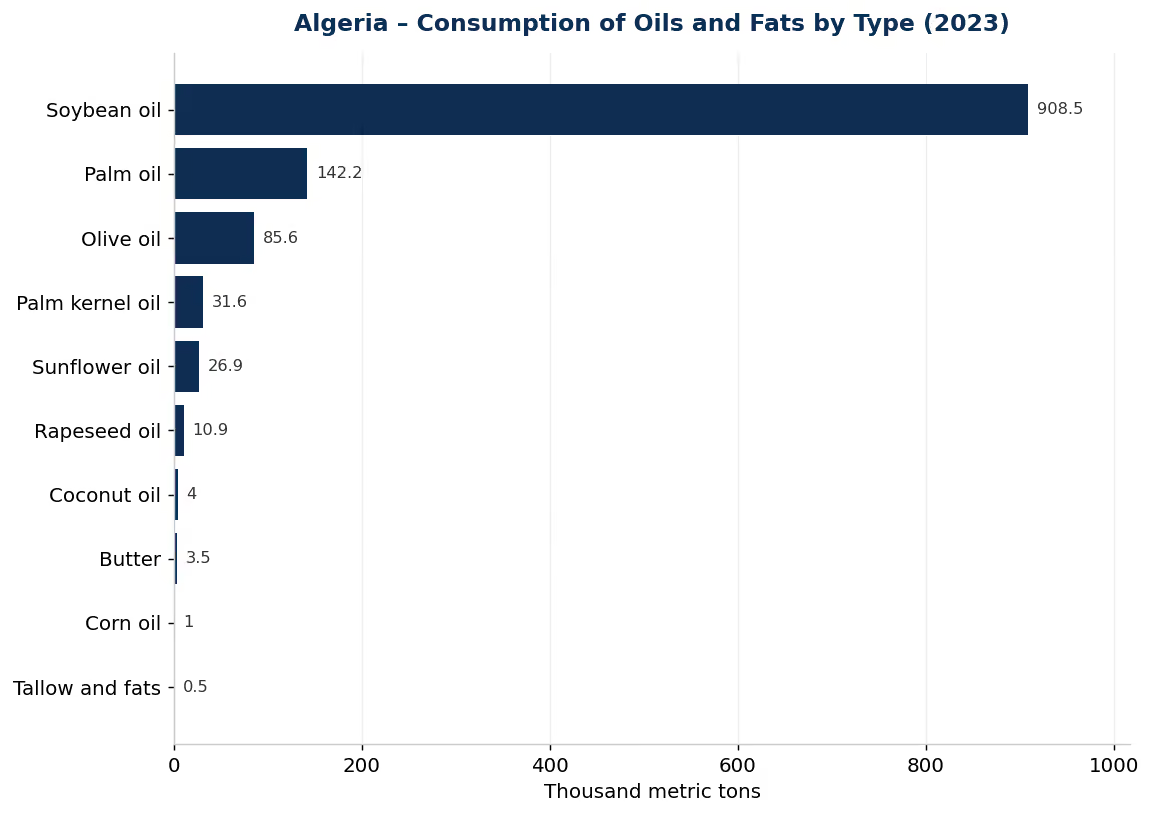
Domestic consumption: 1,215 thousand metric tons
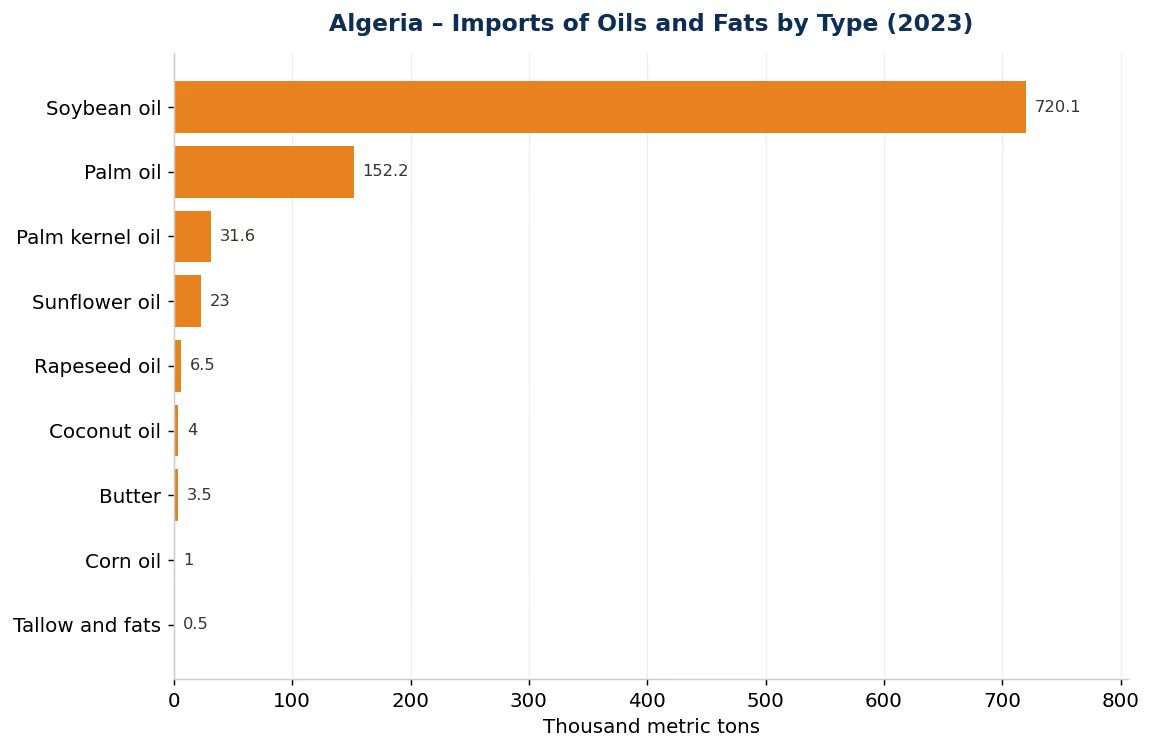
Imports: 942 thousand metric tons
Domestic production: 327 thousand metric tons
Exports: 6 thousand metric tons
These figures indicate that Algeria still relies on imports to cover most of its oil and fat needs, while showing concerted efforts to increase domestic production, particularly in the olive oil and soybean oil sectors.
Historical Analysis for the Period 2019 to 2023
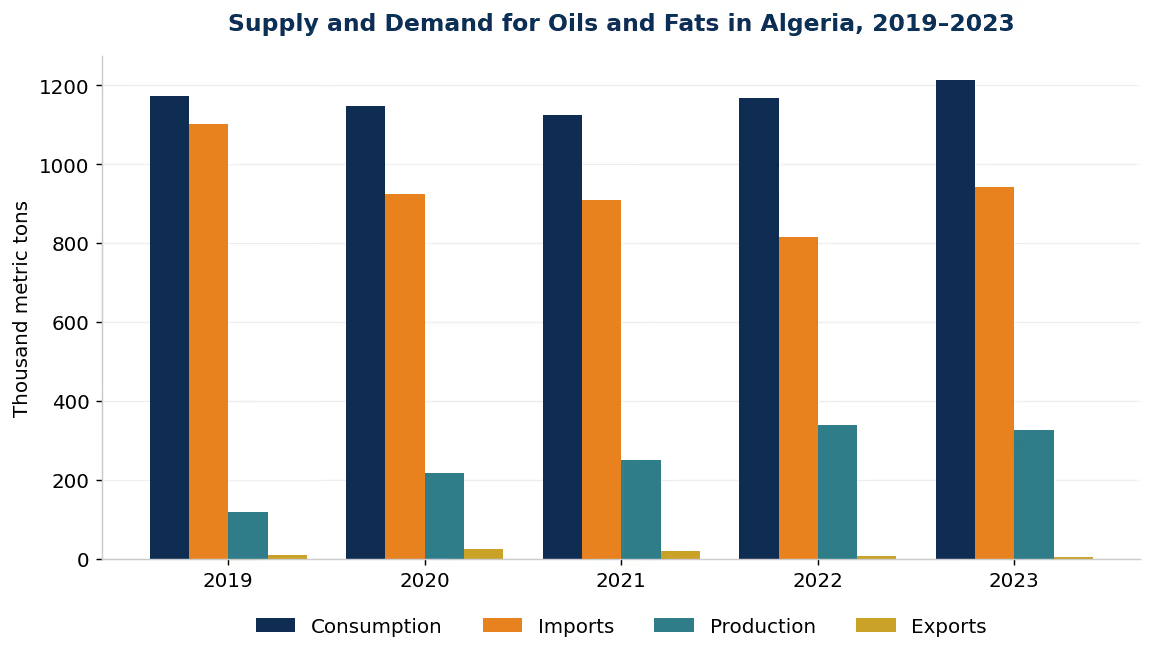
The chart below illustrates the key indicators for the oils and fats market in Algeria during the period 2019 to 2023:
Key Observations
Import fluctuations: imports contracted in 2022 to 815 thousand metric tons, then rose again in 2023 to 942 thousand metric tons, reflecting global market volatility and domestic needs.
Growth in domestic production: production saw a notable rise between 2019 and 2022 (from 119 to 339 thousand metric tons), then declined relatively in 2023 to 327 thousand metric tons.
Decline in exports: exports generally fell during this period from 11 thousand metric tons in 2019 to 6 thousand metric tons in 2023, which may indicate a greater focus on meeting domestic demand or changes in trade policy.
Consumption
Total consumption: 1,215 thousand metric tons in 2023.
The gap between production and consumption: domestic production is still insufficient to meet demand.
Global price volatility: fluctuations in oil and fat prices on international markets affect import volumes.
Population growth: this raises consumption rates annually, requiring increased imports to meet needs.
Domestic Production
Total production: 327 thousand metric tons in 2023.
Leading products:
soybean oil (244 thousand metric tons)
olive oil (81 thousand metric tons)
sunflower oil (2 thousand metric tons)
Development indicators:
Rising soybean oil production: points to efforts to develop the agricultural and livestock industries.
A focus on olive oil: Algeria is among the Mediterranean countries with significant olive oil resources, and this sector is receiving increasing government support.
Stimulating investment: the country is moving to attract domestic and foreign investment to strengthen processing and refining capacities.
Exports
Total exports: 6 thousand metric tons in 2023.
Products exported:
soybean oil (5 thousand metric tons)
sunflower oil (1 thousand metric tons)
Challenges:
Concentration of domestic consumption: the majority of production goes to meeting domestic needs.
Regional competition: Algeria faces strong competition from other countries in export markets.
Logistics costs: these may limit the ability to compete on price in global markets.
Recommendations
Diversify domestic production: focus on increasing the production of other vegetable oils such as corn oil and sunflower oil to reduce reliance on imports.
Improve value chains: develop production, packaging and distribution systems for domestic oils to ensure higher quality and competitive cost.
Support research and development: invest in agricultural and technological research to enhance the productivity of oilseed crops and increase extraction efficiency.
Encourage exports: establish incentives for exporters while improving logistics services and signing trade agreements to facilitate access to foreign markets.
Conclusion
The oils and fats market in Algeria presents a mix of challenges and opportunities. Despite the continued heavy reliance on imports to meet domestic demand, the indicators point to growing interest in domestic production, especially in the soybean oil and olive oil sectors. With the continued implementation of supportive government policies and the attraction of investment, this sector is expected to see further development, both in terms of raising production and diversifying exports, which would positively reflect on food security and economic growth in the country.
 Advertise